



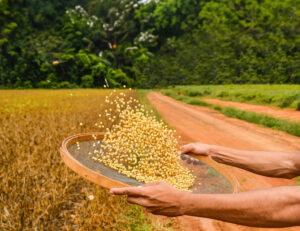
Contribuindo para a segurança alimentar
A filantropia pode fomentar a inovação, permitindo que líderes ajudem suas comunidades a navegar a crise alimentar, escreve a presidente da Citi Foundation.
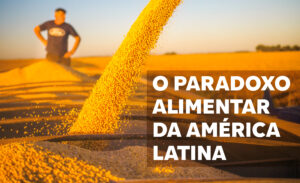
Como resolver o paradoxo alimentar da América Latina
As exportações agrícolas estão em alta, mas a insegurança alimentar é maior hoje do que há uma década. O que pode ser feito?
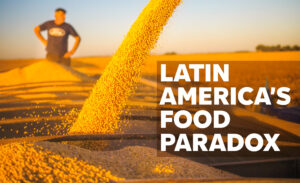
Solving Latin America’s “Food Paradox”
The region’s agriculture exports are booming, but food insecurity is higher than a decade ago. What can be done?
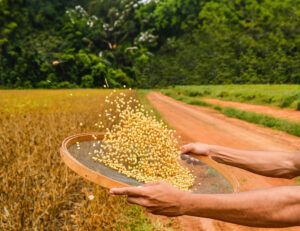
Haciendo la diferencia en inseguridad alimentaria
La filantropía puede ser un catalizador de innovación, permitiendo que los líderes ayuden a sus comunidades a sobrellevar la crisis alimentaria, escribe la presidenta de la Fundación Citi.
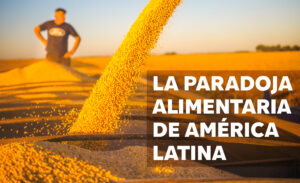
Solucionando la paradoja alimentaria de América Latina
Las exportaciones agrícolas de la región están en auge, pero la inseguridad alimentaria es mayor que una década atrás. ¿Qué se puede hacer?
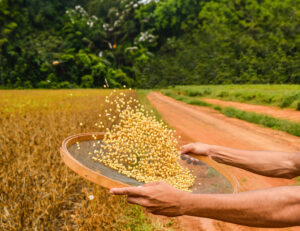
Moving the Needle on Food Insecurity
Philanthropy can catalyze innovation, allowing leaders to help their communities navigate the food crisis, writes the Citi Foundation’s president.
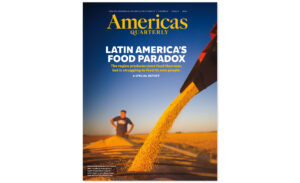
NEW AQ: Creating a Better Breadbasket for Latin America
Both food exports and food insecurity are on the rise. AQ’s new special report looks at why the issue deserves more attention.
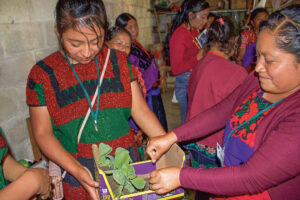
The Maya Women Beating Malnutrition and Becoming Entrepreneurs
A project in southern Mexico promotes land ownership and local food production.
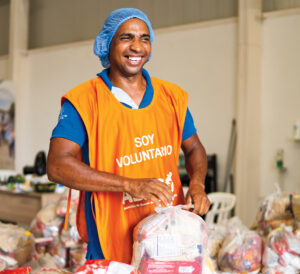
Turning Rescued Food Into a Lifeline in Colombia’s La Guajira
Food banks are working with Indigenous communities to fight malnutrition in one of the country’s most remote regions.

Building a Life Beyond Sugarcane in the Dominican Republic
An NGO is helping cane field workers access social services, exercise their rights and build more prosperous communities.
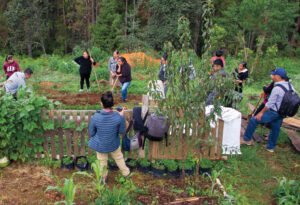
Reigniting Organic Agriculture in Oaxaca
A community project is reintroducing traditional agricultural practices to a mountainous corner of southern Mexico.
The Organizations on the Front Lines of Food Security
From farmers in Mexico to sugarcane workers in the Dominican Republic, AQ profiles community groups tackling nutritional challenges head-on.

To Combat Food Insecurity, Politics Matters Too
Good economic and social policies, and stable democracy, are key to a better future, writes AS/COA’s CEO.
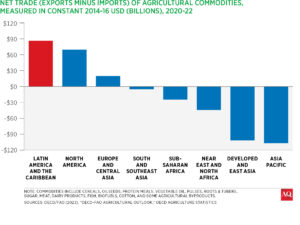
Latin America’s Food Paradox in Numbers
The region is the world’s biggest net exporter of food, but faces big challenges feeding its own people.
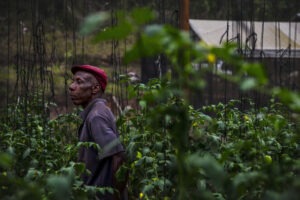
Can the Caribbean Farm its Way Out of Reliance on Food Imports?
CARICOM nations want to slash food imports by growing more of it at home. Experts call it a daunting but worthwhile challenge.

PUBLISHED BY AMERICAS SOCIETY/ COUNCIL OF THE AMERICAS
680 Park Avenue
New York, NY 10065
Phone: (212) 249-8950