
btn_subscribe-top
btn_give-a-gift
btn_login
btn_signup
btn_rss
  • La Nueva Generación de Escritores en Bolivia

    May 29, 2009

    by Liliana Colanzi

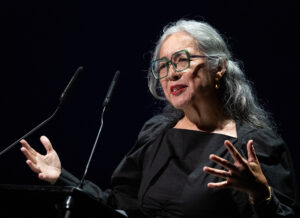
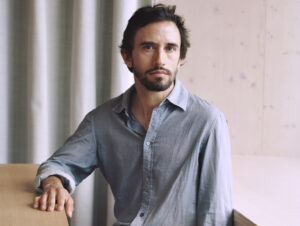
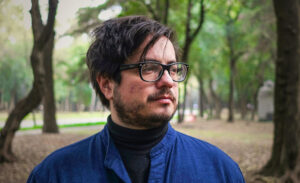
    La literatura boliviana vive un gran momento a nivel internacional. En abril, la revista Zoetrope, de Francis Ford Coppola, incluyó un cuento de Rodrigo Hasbún en el número que le dedicó a los autores latinoamericanos con más futuro. Este mes, la editorial española Bartleby publica el libro de cuentos Niñas y detectives, de Giovanna Rivero, quien también apareció el año pasado en la antología latinoamericana de relatos El futuro no es nuestro. Y en los próximos meses, Maximiliano Barrientos publicará el libro de cuentos Primeras canciones en la editorial Periférica, también de España.

    Curiosamente, ninguno de los autores aborda de forma directa los cambios sociales de Bolivia en sus libros, pese a que, como nunca antes, el país está en la mira del resto del mundo gracias a las movidas políticas de Evo Morales. En otras épocas, los autores bolivianos sentían la obligación de retratar los conflictos del país. El ejemplo más emblemático fue el de la guerra del Chaco (1932 a 1935), que dio lugar a una generación de escritores que produjeron obras clásicas retratando la complejidad de la guerra (Sangre de mestizos, de Augusto Céspedes; Aluvión de Fuego, de Óscar Cerruto) e influyeron en el ideario del Movimiento Nacionalista Revolucionario (MNR), partido que llevaría a cabo la revolución de 1952 y embarcaría al país en un profundo proceso de transformación social.

    Pero todas las tradiciones se convierten en una carga pesada cuando son vividas como obligaciones. La generación que está cruzando fronteras prefiere desmarcarse y explorar la individualidad. Que no haya correlato entre el hecho histórico y su expresión literaria puede ser algo positivo, liberador. Para Rivero, “el hecho de no escribir explícitamente sobre la situación política actual no significa que estés haciendo literatura del escapismo. Yo creo que la tematización literaria de los conflictos políticos de un país toma su tiempo. En Argentina, por ejemplo, los de la ‘joven guardia’ han esperado algunos años para narrar la euforia del menemismo y su terrible decepción de manera explícita”.

    Read More

    Tags: Bolivia, Literature

  • Bringing a New Generation of Latin American Writers to the Forefront

    January 14, 2009

    by Evianna Cruz

    Isolation and high prices have held back new talented writers in Latin America. It is difficult for someone in Colombia to hear about a rising Venezuelan author. A work by a Peruvian author, well-known in Spain, may be hard to come across in a Costa Rican bookstore. Where books are available, they are often too expensive to be purchased by the general population. Peruvian author Diego Trelles Paz has taken a step toward addressing this disconnect with "El futuro no es nuestro" (The Future is not Ours), a two-part anthology of rising talent in Latin American literature.

    Trelles, author of "El círculo de los escritores asesinos," spent a year and a half compiling the anthology and had only two requirements: the prose had to be excellent and the writer had to be of the generation born between 1970 and 1980. His aim was to capture the "generational spirit" of a group born right after the student massacre in Tlatelolco, Mexico City and the protests in Paris of 1968. It’s a generation educated by parents marked by the Latin American military dictatorships and that witnessed the fall of the Berlin Wall, the end of the Cold War, the birth of the Internet, the murders of Ciudad Juárez, Mexico, and the September 11th attacks in New York City. For Trelles, it was important that this anthology reflect the multi-faceted generation of writers coming from the region—"the anthology seeks to set a certain distance with what’s come before," he says.

    Read More

    Tags: Literature

  • Primera Revista Latinoamericana de Libros Targets a Niche Audience Often Overlooked in the U.S. Market

    November 24, 2008

    by Evianna Cruz

    Presione aquí  para la versión en español

    To get a copy of Roberto Bolaño’s 2666, I had two options: order it from Amazon.com for $50.00 plus shipping and handling or have someone from abroad bring it to me on their next trip. All this effort for an author who was just featured in Americas Quarterly, The New York Times, New York Magazine, and is the only Latin American author featured in James Wood’s How Fiction Works. Other authors with less coverage would have been even harder to come by.

    Cortázar, Borges, García Marquez, Neruda, Vargas Llosa, Fuentes. Beyond this safe cannon of well-established authors and a few self-help or religious titles, little is available to the Spanish-language reader in the U.S. New titles and authors simply do not come in or trickle in slowly. 

    The bi-monthly publication, La Primera Revista Latinoamericana de Libros (PRL), launched in September 2007, attempts to fill this void by providing thorough, in-depth reviews from notable authors and academics on books coming to and from Latin America. To its credit, it does not just summarize or analyze a book but places it within the context of already existing publications that deal with the issue. This high level of demand allows the reader to understand the book within the broader cultural, political, and social landscapes in which it is embedded. We can see what came before and understand what particular angle this new work or author brings.

    Read More

    Tags: Literature


Subscribe

Web Exclusives

Subscribe


Subscribe!