
btn_subscribe-top
btn_give-a-gift
btn_login
btn_signup
btn_rss

Blog

Beware of Triumphalism in the Honduras Crisis

October 30, 2009

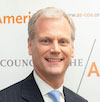
by Eric Farnsworth

The news today from Tegucigalpa is good. After months of political impasse in Honduras, a delegation led by Assistant Secretary of State Tom Shannon and Principal Deputy Assistant Secretary Craig Kelly found a way to get representatives of both Micheletti and Zelaya to agree on a path that will provide a credible means forward to the elections scheduled for November 29.

This is important, because as I’ve noted many times, including in The Christian Science Monitor and other blog postings here, it is the elections that provide the surest, most appropriate escape valve for the crisis that has threatened to overwhelm Honduras and occupy U.S. policymakers who could usefully be focused on other matters. Steps to undermine or undercut the elections are counterproductive. At the same time, for the elections to be credible, they must be open, transparent and fair, and preparations must therefore begin in earnest immediately. Thus the timing of Shannon’s travel was important, and dictated by the need to get going purposefully on the elections.

Some analysts suggest that the trip should have been taken and heads banged earlier to get an agreement even before today. But that would not have allowed the Arias process—which the United States conceptualized and mid-wifed—to run its course. How ironic it would then have been for the United States to put itself in the position to be criticized, likely by the same analysts, for undercutting the multilateral Arias process and returning to the unilateralism they consistently decry. Fortunately, that did not occur.

Still, all the parties must be wary of triumphalism in the agreement today. The road ahead is long and many obstacles remain. Credibility and international legitimacy must quickly be rebuilt around the elections with processes in place to ensure a free and fair outcome. The Honduras Supreme Court and Congress must yet pronounce on Zelaya’s fate, with all parties accepting the result. Outside meddlers who want to keep things stirred up, notably in Caracas and Managua, must be kept at bay by the international community including the Organization of American States. And, once the election occurs, its results must then be accepted by the international community with the Honduran people looking to the future through a focus on national reconciliation.

No, we’re not out of the woods yet.

At the same time, pronouncements from both Micheletti’s and Zelaya’s camps could complicate this fragile agreement. The Micheletti people are sending around talking points today saying that, “[I]n no way is a restitution of Mr. Zelaya to the presidency automatic under this agreement. The vote in the National Congress is not merely a formality as some media outlets appear to imply. It is the National Congress, in consultation and [with] input from the Supreme Court, who will make the decision whether Mr. Zelaya returns to power.”

This is a dumb move because it has the appearance of walking back from the agreement or at least saying to the Zelaya people, we really hosed you and putting them on the defensive. For his part, Zelaya is crowing about his own imminent return.

Here’s an idea for both sides: why don’t you just be quiet to give the negotiated solution the best opportunity to work in support of the country’s long-term national interests?

One final point. The agreement that Shannon and team worked out does show that, despite all the hand wringing about the United States losing influence in the region and Brazil’s rapid rise, the United States remains indispensable in the conduct of hemispheric affairs. That is a timely and important reminder. One hopes that this message is not lost back here in Washington, which will quickly return its attention to Afghanistan, Pakistan, Iran, and health care. Further engagement, sustained and focused, is required.

*Eric Farnsworth is a contributing blogger to americasquarterly.org. He is Vice President of the Council of the Americas in Washington DC.

Tags:: Honduras, Manuel Zelaya, Roberto Micheletti, Tom Shannon

To read more from Americas Quarterly, sign up for a free trial issue of the print magazine. No risk, no commitment.

To speak with an expert on this topic, please contact the communications office at: communications@as-coa.org or (212) 277-8384.

you called it

you should be in the securities industry. if you call stock picks like you called the honduras situation, you would be a zillionaire. very very good.

Not out of the woods yet

Your point about the need for less public bombast is very well made. The resolution, while providing the first viable exit strategy to the ongoing crisis, is fragile at best. If both sides continue with same the rhetoric that has caused this situation to endure for four months, the resolution will amount to very little. Both sides need to lower the tone, follow their negotiated agreement with concrete actions, and actually lay the ground work for legitimate elections later this month.


Subscribe

Loading...

Bogotá, Colombia
   Anastasia Moloney
   Jenny Manrique


Buenos Aires, Argentina
   Juan Cruz Díaz


Guatemala City, Guatemala
   Kara Andrade


La Paz, Boliviaa
   Cecilia Lanza


Lima, Peru
   Naomi Mapstone
   Sabrina Karim


London, England
   Daniel Altschuler


Monterrey, Mexico
   Arjan Shahani


New York, NY
   Christopher Sabatini
   Jason Marczak
   Mateo Samper


Ottawa, Canada
   Huguette Young


San Francisco, California
   Ruxandra Guidi


San José, Costa Rica
   Alex Leff


Santa Cruz, Bolivia
   Liliana Colonzi


Washington, DC
   Eric Farnsworth
   Liz Harper


Loading...


More partners...

Subscribe!