



Secretary of State Clinton’s meeting today with deposed Honduran President Manuel Zelaya was intended to show the support—visibly—of the United States for a return to the status quo ante, but it also served a more important purpose: by getting Zelaya on board with the idea of allowing Costa Rica’s President and Nobel Laureate Oscar Arias to mediate the constitutional crisis, the United States buys time to consider all appropriate options and actions. Cooler heads can now prevail, because we’ll presumably be spared additional acts of the theater of the absurd that saw Zelaya circling high above
Now, everyone can take a deep breath and attempt to resolve the crisis away from the
That includes the
Such actions would miss their intended target—the de facto government—and be ill-advised. Why? Because, by definition, the crisis should be resolved no later than January 29, when the new president, elected on November 29 (if not before—see my earlier blog post) takes office. And then neither Zelaya nor acting President Roberto Micheletti would be in the Presidencia. Under a general amnesty, life moves on and the whole sorry episode recedes to history.
If the
Now, with the Arias mediation effort, we have the opportunity to see how the situation evolves, and to craft our policy responses accordingly.
In fact, it’s possible that that no additional steps will be necessary, because the initiative for outside mediation provides the best opportunity for Hondurans to resolve this crisis, which they likely would not be able to do on their own given intensive national polarization. President Arias is a skilled mediator and negotiator, and is recognized and respected for his abilities. With the active support of the international community, he stands a real chance of success.
Finally, a thought. For all the anti-U.S. rhetoric and actions that Zelaya took before he was bundled off to Costa Rica in the middle of the night, it’s interesting that when push came to shove, he decided that the road for his return to Tegucigalpa went through Washington, not Caracas, Buenos Aires, or Brasilia. Surely, despite our detractors and their enablers in the think tank community, that says a thing or two about continued
*Eric Farnsworth is a contributing blogger to americasquarterly.org. He is Vice President of the Council of the Americas in Washington DC.
ABOUT THE AUTHOR
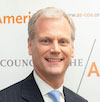
Eric Farnsworth
Reading Time: 3 minutesEric Farnsworth is vice president of the Americas Society and Council of the Americas in Washington, DC.