



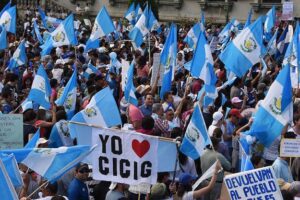
What Washington’s CROOK Act Means for Latin America
A bill in the U.S. Congress may create a special fund to support anti-corruption worldwide. What’s at stake for the region?
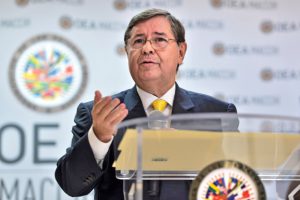
AQ Top 5 de figuras contra la corrupción: Luiz Antonio Marrey
Un año en Honduras le dió al veterano Brasileño nuevas perspectivas sobra la construcción de instituciones.
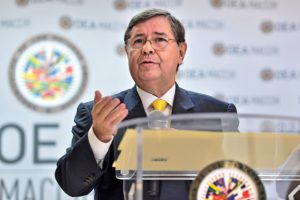
AQ Top 5 Anti-Corruption Figures: Luiz Antonio Marrey
A year in Honduras gave the veteran Brazilian prosecutor new perspectives on institution building.
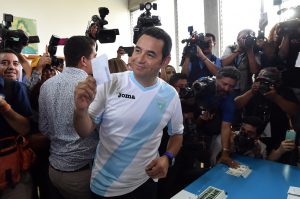
How a TV Star Triggered a Slow Motion Constitutional Crisis
A tale of two presidents threatening Guatemala’s efforts to curb corruption and migration.
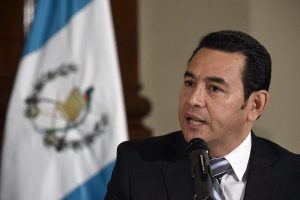
All Eyes on Guatemala as Crisis Brews Ahead of Elections
President Jimmy Morales’ maneuvering against Guatemala’s institutions could give the U.S. a chance to recalibrate its policy.
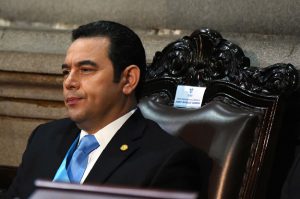
Is Kicking Out CICIG Bad for Business in Guatemala?
Expelling the commission could shake investor confidence, critics warn.
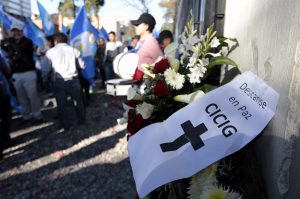
Guatemala Is on the Brink. Washington Should Take a Stand.
Washington is giving President Morales a pass on his efforts to evade justice, writes the first Guatemalan elected to the U.S. Congress.
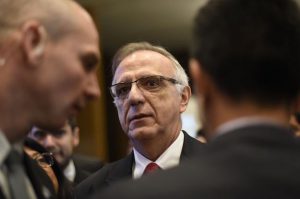
5 Ways the Guatemalan Government Is Trying to Dismantle CICIG
Three years ago, Guatemala surprised the world when the Public Ministry (MP) and a U.N.-backed anti-corruption body – the International Commission Against Impunity (CICIG) – uncovered a nationwide graft scheme that reached all the way up to the then-president, Otto Pérez Molina, landing him and a dozen others in prison. It was the biggest splash … Read more
Justice in Guatemala
Guatemala’s judicial system is on the upswing. In 2011, the Public Ministry made notable strides in the fight against organized crime and political corruption through the leadership of Claudia Paz y Paz—a new and competent attorney general who took over in December 2010—and the continued support of the United Nations sponsored Commission against Impunity in … Read more

PUBLISHED BY AMERICAS SOCIETY/ COUNCIL OF THE AMERICAS
680 Park Avenue
New York, NY 10065
Phone: (212) 249-8950