



This article is adapted from AQ’s special report on Mexico’s path forward

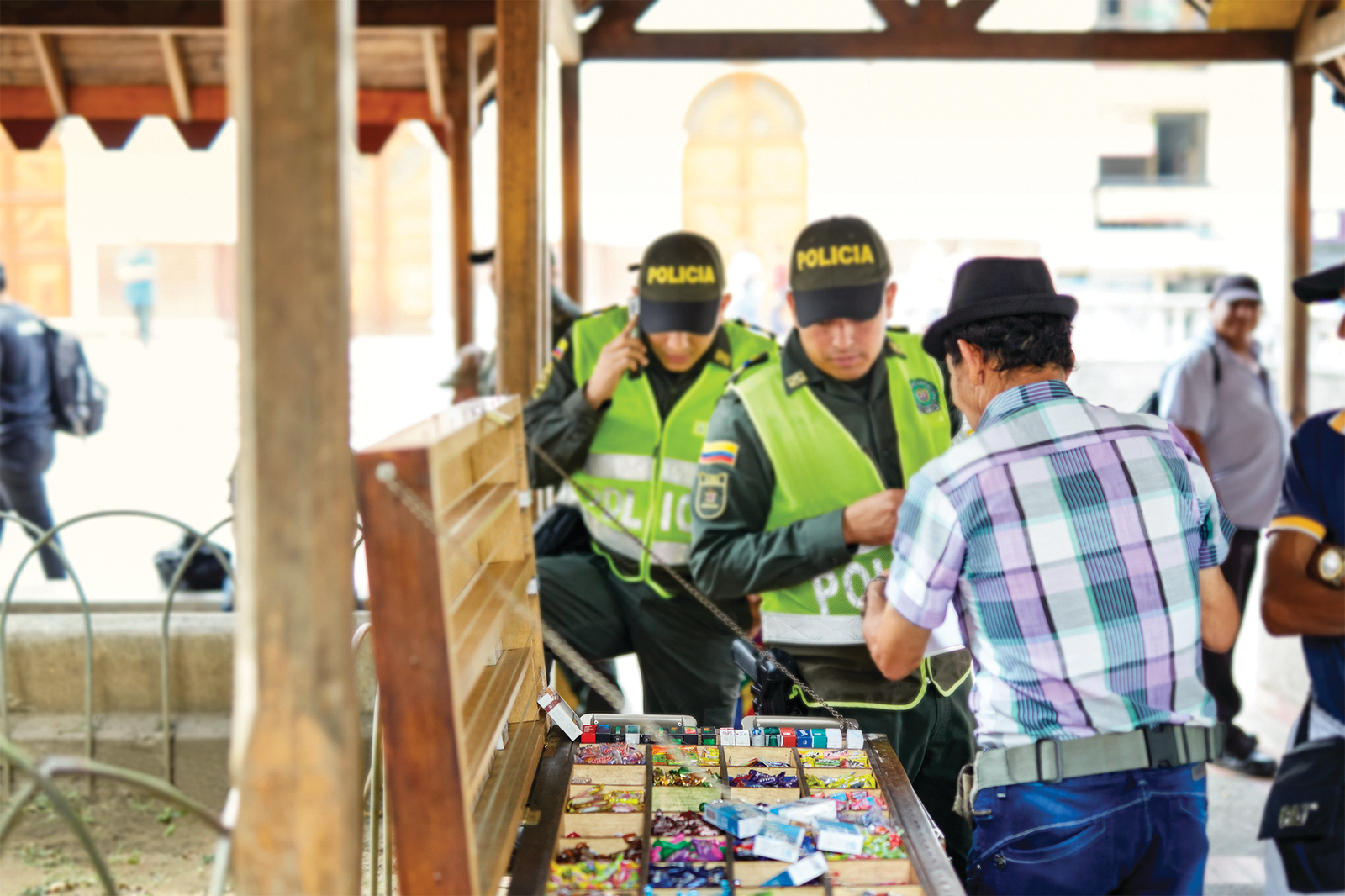
Illicit cigarette trade is a growing problem in the Americas. It deeply harms consumers, governments, businesses, and society at large, while benefiting only organized crime. Yet efforts to combat it do not get the attention or resources necessary to reverse this concerning trend.
But all is not lost. History shows us that if countries apply appropriate focus and employ proven approaches, they can reduce illicit trade. When effective regulation and enforcement make it harder for illicit trade to thrive, countries can protect legitimate commerce, collect more tax revenue, secure their borders, keep communities safer, and help prevent underage access to restricted products. Everyone wins, except organized crime.
Therefore, among many other pressing issues, efforts to tackle illicit trade represent enormous opportunity for the region.
Since being appointed as president of Philip Morris International (PMI) for Latin America and Canada, I have been studying the realities of illicit cigarette trade in this region. Looking at recent figures and trends has given me a clear perspective on how the challenges posed by illicit trade and the opportunities of addressing this problem are interconnected.
In April, at an event organized by the Americas Society/Council of the Americas (AS/COA), the results of KPMG’s first study on illicit cigarette consumption in the region were presented. They revealed a startling and inconvenient truth: Nearly one in three cigarettes consumed in Latin America and Canada is illicit. Unfortunately, this represents the highest rate of illicit cigarette consumption in the world.
According to this report, illicit cigarette trade is draining public finances: An estimated $8.5 billion in tax revenue was lost in 2025 alone across the 11 countries studied. It is also endangering communities, as law enforcement agencies at the local and regional levels have reported links between growing illicit cigarette trade and rising criminal activity.
The report also found that about 77 billion illicit cigarettes were consumed in 2025 in the 11 countries examined. Indeed, illicit trade is proving to be more resilient than the legal market: Illicit cigarette consumption declined far less than total cigarette consumption. People are buying fewer cigarettes, which is positive, but the decline is smaller on the black market since more consumers are moving from legal to illicit products.
The scale of the problem is striking. Illicit cigarettes account for 89% of consumption in Panama and 84% in Ecuador, for example. Brazil, meanwhile, is the region’s largest illicit cigarette market, with more than 40 billion illicit cigarettes consumed in 2025 alone.
The bigger picture
Interpol puts it plainly: “There is a clear link between illicit trade and other types of crime, such as human trafficking, drug trafficking, corruption, bribery, and money laundering. Illicit trade damages the global economy and harms public health worldwide. All regions of the world and all industry sectors are affected.”
This points to a broader shift in criminal economies across the Americas and around the world. Transnational organized crime networks have diversified their operations and now leverage their control of strategic routes to smuggle products beyond the reach of customs authorities.
This diversification and the growing sophistication of criminal networks is forcing governments to find new ways to combat organized crime and disrupt its financing. Authorities and security agencies across the continent are coordinating their efforts to address this new era of organized crime, which further threatens the region’s health, economies, and security.
Other harms are also becoming increasingly clear.
For example, underage use of nicotine products is a major health concern for governments across the region. It is also a concern for us at PMI: We firmly believe in preventing underage access to tobacco and nicotine products, and we have always stated that our products should never reach minors. This commitment is central to our business.
Worryingly, a paper published in Preventive Medicine Reports estimated that nearly one-fifth of adolescents in Latin America reported using e-cigarettes. The study concluded that “a widespread lack of knowledge regarding e-cigarette risks, coupled with limited regulatory oversight, may be contributing to higher usage rates.”
Illicit trade also contributes to this issue. Underage use of nicotine products remains high even in countries where they are banned. Brazil illustrates the problem: Banning e-cigarettes did not end underage use; instead, it created a growing illicit market.
Excessive regulation can fuel illicit trade in various ways. Consumer product bans have created illicit markets in virtually every case. Overregulation and taxation, especially when paired with weak enforcement, can also push a significant share of the legal market underground.
Authorities are recognizing that the same weaknesses that enable the illicit trade of cigarettes also open the doors for illicit trade of other nicotine products. Therefore, across all nicotine products, addressing the problem requires not prohibition, but appropriate regulation and strong enforcement working hand in hand.
The reality is that firm action is necessary, and the foundation of combatting illicit trade is always enacting sensible regulations and ensuring a high level of enforcement. The past is filled with solutions that were implemented because they sounded good politically but were not effective because they were missing these elements.
Failure to strike a balance can lead to situations such as Australia’s, where extreme regulation has contributed to a market in which more than 80% of nicotine products now come from illicit trade. Newspapers there are reporting almost daily on the fights between gangs for control of the black cigarette market, producing stories similar to those on organized crime competing for turf in the illegal drug trade.
A path forward
If we confront the problem of illicit trade head-on, the opportunities become clear. All sectors can work together to address this regional challenge through effective regulation, greater awareness, robust enforcement, and public-private cooperation.
This is also an opportunity to evolve our thinking. The problems of 2026 cannot always be solved with yesterday’s approaches. PMI has transformed itself, demonstrating measurable progress toward a smoke-free future. Today, 42% of our revenue comes from smoke-free products, up from 2.7% 10 years ago, when we began this transformation.
We are committed to ending cigarette sales in the future. Yet unresolved illicit trade—fueled by extreme regulation or limited oversight—threatens to reverse progress in reducing smoking rates among both adults and minors.
Society has made significant advances in tobacco control, but yesterday’s tools no longer match the realities of 2026. In countries where illicit trade is already widespread, further tax increases or bans on smoke-free products will not curb underage use, illicit trade, or smoking.
Public authorities can count on PMI in their crusade to reduce illicit trade. We share the same goal in building safer communities.
ABOUT THE AUTHOR
Can Kuterdem
Reading Time: 4 minutesKuterdem is the president of the Latin America & Canada Region for Philip Morris International (PMI)