


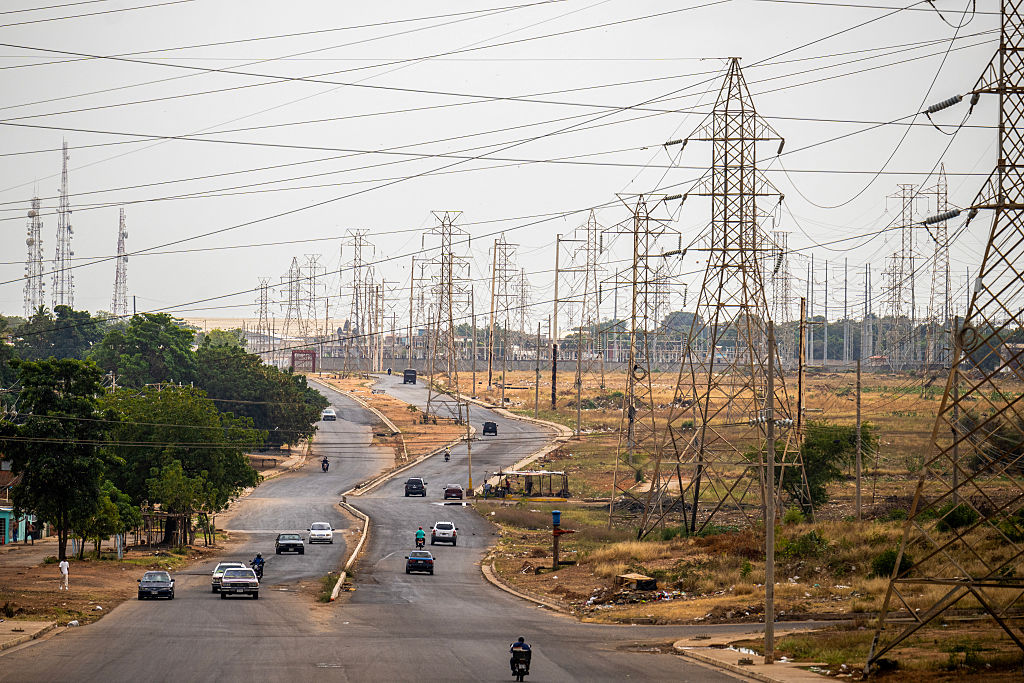
At the turn of the century, the 30‑second elevator pitch for Venezuela’s electricity sector was compelling: one of the best integrated electricity systems in Latin America, with more than 30 GW of state‑of‑the‑art hydroelectric and thermal generation, around 30,000 kilometers of transmission lines with a robust interconnected grid supporting a distribution network of nearly 130,000 kilometers.
In the 2000s, the country ranked third in Latin America after Brazil and Mexico in terms of installed capacity, and had the highest electricity consumption per capita in South America. All of this was delivered by highly skilled professionals and electricians trained at top‑tier universities and vocational schools in Venezuela. They provided reliable electricity service for more than 6 million customers nationwide through a system in which the private sector served about 30-40% of the customers.
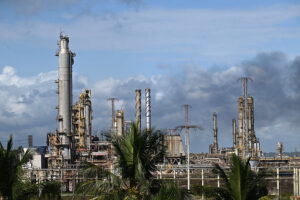
That reality no longer exists. Just this week, for example, the nation’s largest refinery, Amuay, part of the Paraguaná Refinery Complex, had to shut down due to a blackout, underscoring the critical role of the power sector in oil infrastructure. Last year, the government was forced to implement a six-week reduced-work schedule in state institutions due to electricity shortages caused by drought and grid limitations. And in August 2024, the country experienced a 12-hour nationwide blackout.
Restoring the power grid is an essential step to stabilize the economy, an objective that has also been recognized by the Trump administration and that could feature prominently in the agenda of the visit of U.S. Secretary of Energy Chris Wright to Venezuela this week.
Abundant resources, constrained by governance
Following the sector’s nationalization in 2007, the country experienced a rapid deterioration across its power generation, transmission, and distribution infrastructure. Inadequate maintenance, corruption, financial distress, and the absence of credible technical data under state control undermined the power system. Many of its experienced professionals and technicians departed amid the mismanagement.
While Venezuela still reports 100% electricity access on paper, the lack of reliable power has been highly disruptive. Major improvements in the electricity sector are thus a necessary condition for economic and social recovery.
From a generation perspective, Venezuela’s power sector depends mainly on hydropower. About 17 GW of installed hydroelectric capacity accounts for 90% of power generation, mostly from the large hydroelectric plant Guri in the southern state of Bolívar.
Venezuela also depends on several thermoelectric power plants, fueled mostly by fuel oil, other petroleum products, and natural gas. These facilities were initially designed to provide supply flexibility and serve as a hedge against drought risk and climate patterns such as El Niño and La Niña. However, these plants have been operating at a fraction of their installed capacity, with estimates suggesting a utilization rate of under 20%, thereby greatly increasing system vulnerability during periods of low rainfall. Anecdotal evidence suggests that the system’s unreliability has contributed to the use of smaller diesel-powered backup plants by critical facilities like hospitals, which is a problem given the country’s diesel production shortfall.
Meanwhile, the nation’s transmission and distribution, once a dynamic sector comprising state‑owned and private concessionaires with over a century of operational history, were consolidated in 2010 into a single state‑controlled entity, Corpoelec. This organization has likewise decayed due to poor management, aging infrastructure, limited investment in automation, significant electricity theft, and severe financial distress.
All of this has caused a vicious cycle: The failing electricity system has undermined oil operations, and the diminished oil sector has, in turn, further hamstrung the power sector.
Take the refineries. The massive Paraguaná Refining Complex, relies on a 300-MW-capable, combined-cycle plant that was nationalized in 2007 and has since deteriorated. The entire refining sector is operating at 20% capacity in part because of these relationships. This has led to fuel shortages, contributing to a 90% decline in generation capacity at Venezuela’s fuel-powered plants over the last decade.
Five steps to reconfigure the electricity sector
Despite these challenges, Venezuela has a unique opportunity to stabilize and rebuild its electricity sector. Success will depend on prioritizing clear objectives and sequencing investments effectively. Corpoelec’s control over the sector will have to be dismantled to ensure private participation. This participation will require credible long‑term investment-protection mechanisms, which means major changes to the existing institutional and legal frameworks will be necessary.
A critical first step will be the quick restoration of generation capacity, especially thermal power. Venezuela can utilize the large volumes of natural gas that are currently flared or vented to power gas engines and CCGT (Combined Cycle Gas Turbines) units. This will both reduce one of the country’s largest sources of greenhouse gas emissions and create opportunities to rehabilitate major hydropower complexes.
Secondly, under the right framework, private independent power producers can leverage these gas reserves via power purchase agreements to provide reliable electricity to defined regions and oil hubs, ensuring self-sufficient generation while broader system upgrades are implemented.
Similarly, distributed energy resources should be paired with autonomous microgrids to power critical industrial, commercial, and residential hubs in “island mode,” while the broader transmission and distribution network undergoes multi-year upgrades. This decentralized strategy would likely attract greater private investment.
Wind and solar energy should also be part of the mix. Venezuela has strong potential for both, and suitable incentives could enhance utility-scale and distributed generation. Regional peers such as Argentina, Brazil, and Colombia—all oil and gas producers—offer useful examples of attracting investment to scale these resources.
Finally, battery energy storage systems (BESS), which work with all generation sources, offer great potential. Since they provide grid stability, backup power, and operational flexibility, BESS can support both the recovery phase and the long‑term modernization of transmission and distribution networks. In many respects, energy storage is the Swiss Army knife of modern power sectors.
Driving growth
Venezuela’s electricity sector can provide the foundation for economic growth, but unlocking the necessary capital will require rule of law, clear regulations, credible institutions, and a stable investment environment that rewards long-term commitment. After all, it will need to attract investment and financing from private companies, financial institutions, institutional investors, and multilateral development banks.
Calculating the total investment needed to restore the power sector to acceptable performance is difficult given lack of reliable data; experts, however, estimate up to $13 billion over the first three years of reconstruction. Ultimately, the actual financial scope will depend on several factors: the balance between decentralized and centralized solutions, the extent of recovery versus new construction, the use of new technologies, and the tentative timeline for returning the interconnected system to a reliable operation.
For now, all this depends on one central question: how long it will take Venezuela’s new government to set the electricity sector on the right path and restore it to its former, thriving state.
ABOUT THE AUTHORS

Francisco Morandi
Reading Time: 4 minutesMorandi is an energy strategist with prior leadership roles at AES Corporation, including strategic planning for AES Electricidad de Caracas

Luisa Palacios
Reading Time: 4 minutesPalacios is an Adjunct Senior Research Scholar at Columbia University’s Center on Global Energy Policy, Adjunct Faculty at Columbia’s School of International and Public Affairs, former Chairwoman of Citgo Petroleum, and a member of AQ‘s editorial board
Venezuela: A 2026 Snapshot
AQ tracks key indicators and political and economic trends to watch in 2026.
What Venezuela’s Hydrocarbon Reform Won’t Fix
Updating the nation’s oil law is a necessary starting point, but its impact will most likely fade quickly, an expert writes.