



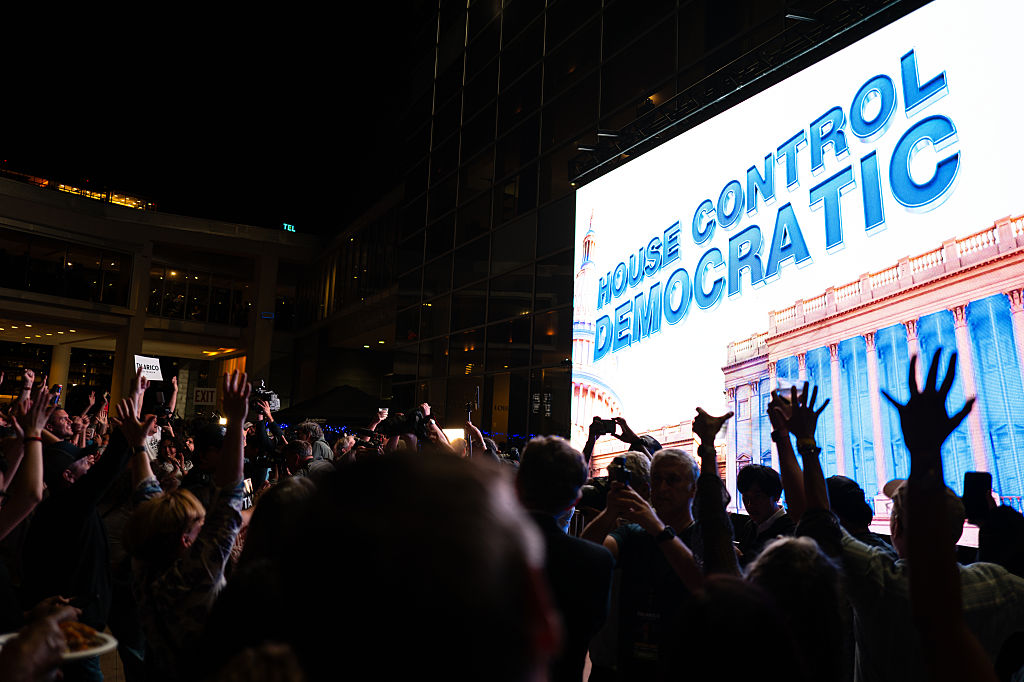
In a historic vote, Democrats pulled off a blue wave in the U.S. midterms that was stronger than many, including us, had anticipated in the months and weeks leading up to the elections. The party won both chambers handily, paving the way to restoring a congressional check on President Donald Trump’s approach to a broad range of issues, with Latin America high on the list.
Just as important as the new Congress will be the impact of opposition control on a president staring down his last two years in office. Presidents facing opposition on Capitol Hill often turn toward foreign policy, where they retain considerable authority.
Latin American governments and business leaders should now prepare for two main developments: a U.S. Congress ready to reclaim its authority and a president likely to respond to domestic constraints by becoming more aggressive abroad, particularly in the Western Hemisphere.
Some in the region will need to recalibrate their relationships with Washington. A case in point: Endorsements of Representative Maria Elvira Salazar (R-FL) by Colombia’s Abelardo De La Espriella, Argentina’s Javier Milei and Venezuelan opposition leader María Corina Machado reflected a shortsighted approach. Although Salazar appears most likely to win narrowly, those endorsements were unwise: They tied foreign leaders and national causes to one side of an American election, inserted themselves into our democratic elections, and complicated relationships with Democrats.
Effective diplomacy requires playing the long game, and those who neglected Democrats should now seek to repair relationships.
New Congressional leadership on Latin America
Representative Gregory Meeks (D-NY), expected to chair the House Foreign Affairs Committee, has already delivered that message. In October, he warned that De La Espriella’s electoral intervention jeopardized bipartisan U.S. support for Colombia: “Congress will be watching,” he said. Looking ahead, Meeks’ longstanding commitment to Colombia across administrations makes his leadership especially important for that country and the wider Americas region.
Representative Joaquin Castro (D-TX), expected to lead the House Western Hemisphere Subcommittee, has previewed his agenda through actions while in the House minority. In September, he sought subpoenas for records concerning the administration’s oil agreement in Venezuela involving the controversial Barbados-based company North American Blue Energy Partners. Republicans blocked the motion. But now, with a majority, Castro can pursue that investigation.
In the Senate, Tim Kaine (D-VA), likely to lead the Western Hemisphere Subcommittee, brings a deep knowledge of the Americas to his position. Meanwhile, Senator Chris Coons (D-DE), the likely next Chairman of the Senate Foreign Relations Committee, has already challenged the administration’s Venezuela policy in hearings and through war powers votes. Earlier this year, Coons publicly pressed Secretary of State Marco Rubio over the failure to consult Congress before Maduro’s removal and backed efforts to restrict further military operations.
With new congressional leadership on Latin America in both chambers, those involved in deals in Venezuela (and elsewhere in the Americas) should expect scrutiny of beneficiaries and possible corruption. Hakeem Jeffries (D-NY), likely the next Speaker of the House, has identified countering corruption as the Democrats’ guiding principle for oversight next year.
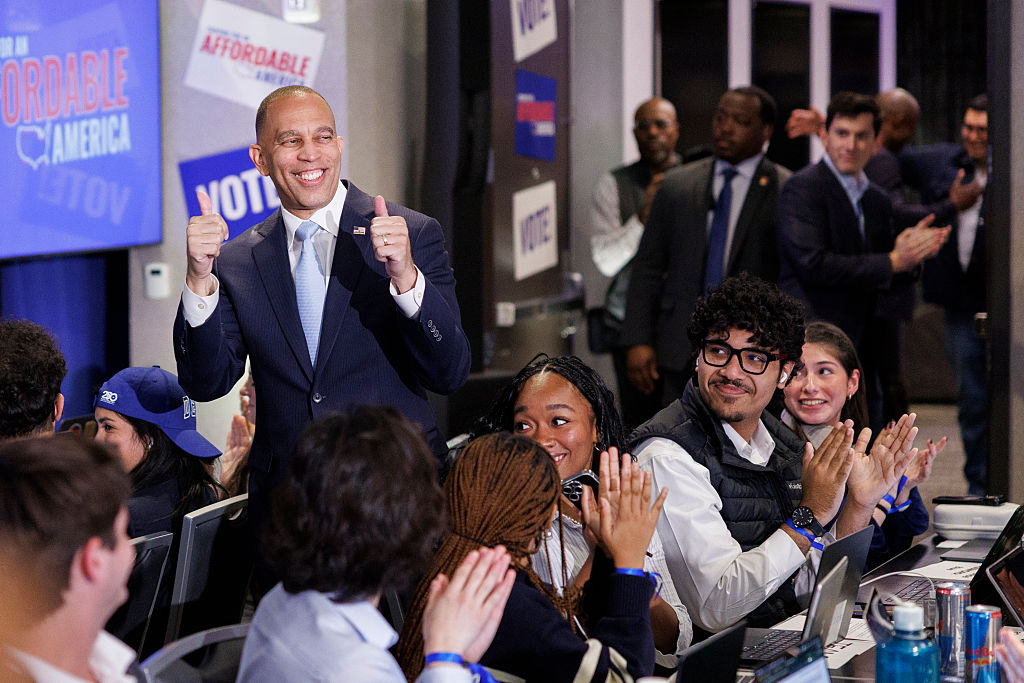
Tom Brenner/Getty Images
Meanwhile, confirmations in the Senate will likely slow dramatically, particularly for controversial non-career nominees. Career diplomats with bipartisan credibility should expect to fare much better. Regional governments should anticipate vacancies and a reliance on acting officials.
Congressional Democrats’ agenda
As we previewed in May, immigration enforcement will also be central to oversight. Democrats will investigate ICE’s conduct, detention practices, and spending. But scrutiny does not mean ending funding: Republican reconciliation laws provided substantial enforcement resources to ICE through 2029.
The Trump administration’s use of El Salvador’s CECOT prison under its arrangement with Nayib Bukele will also face renewed scrutiny, including of the legal authorities for transferring detainees, their treatment, and Washington’s financing commitments. Other arrangements to send migrants to unsafe third countries—or those where integration will prove difficult—will raise similar questions.
Congress’s greatest leverage is its power of the purse, placing the House and Senate Appropriations Committees at the center of the coming policy debates. Democrats will seek to reclaim spending authority as they confront the administration’s dismantling of foreign assistance and withholding of approved funds. Expect debates over conditions, disclosure, and compliance with spending laws. Funding agreements will require negotiations with Republicans and the White House, and further shutdowns remain possible.
Democrats in Congress will be wise to look beyond oversight and put forward an affirmative regional agenda, showing the American public that they can deliver results, while—through the oversight agenda—restoring a congressional check on the executive. Investigating illegal and ineffective lethal boat strikes in the Caribbean and Pacific will be essential.
At the same time, Americans devastated by overdose deaths and Latin Americans confronting organized crime also deserve effective policy responses. Democrats should put forth credible legislative alternatives, particularly on the security front. In the economic realm, Democrats plan to quickly consider legislation to end Trump’s global tariffs and restore congressional control over trade policy.
Trump may take an even harder line
The midterms may begin the end of the Trump political era. But they do not end the president’s desire to seek to transform the Americas. We anticipate even greater turbulence in U.S. policy toward Latin America over the next two years than in the last two.
Cuba is the clearest place to watch. Constrained domestically, Trump will find a confrontation with the Caribbean island especially attractive. Confrontation could take the form of an even more aggressive drive toward negotiations that attempts to force economic and political change in the nation, or it could take the form of military force. The latter seems less likely in the short term than it did several months ago, principally due to resumed hostilities in Iran, but Trump’s willingness to use force and ambitions toward Cuba—especially if Havana refuses to negotiate—must be taken seriously.
Assuming Trump will inevitably retreat—or that a Democratic Congress would serve as a check on his power vis-à-vis Cuba—is dangerous.
Latin America watchers also should remain alert to issues that may appear to have receded. U.S. strikes against criminal groups in Mexico remain a possibility, with potentially profound consequences for bilateral cooperation and ongoing USMCA negotiations. The Panama Canal could also return to Trump’s agenda, even though it has slipped from the headlines. Governments and businesses should resist the temptation to treat a quieter period as evidence that these risks have passed. With Trump, an issue can quickly return to the center of the relationship without warning.
The Democratic wave gives Congress a renewed mandate to constrain presidential overreach and offer an alternate vision for the Americas. Governments and businesses should engage Congress early and substantively, while also preparing for a U.S. president determined to assert his power abroad as his options narrow at home.
ABOUT THE AUTHORS
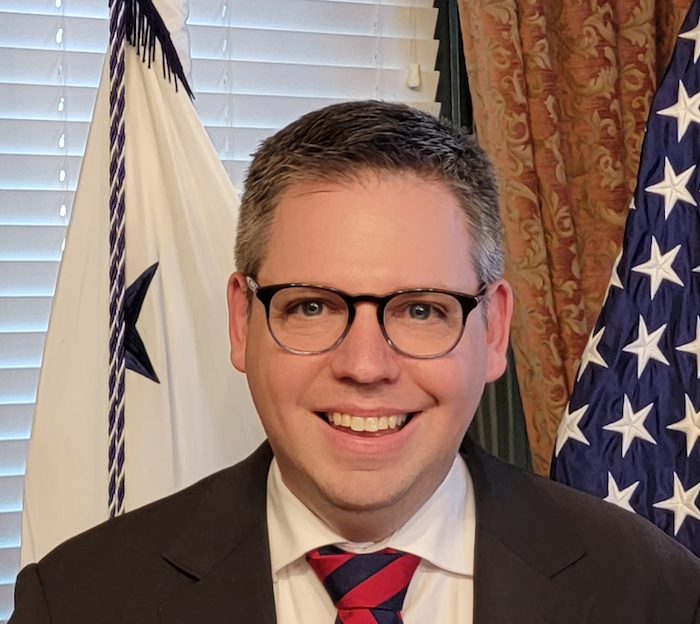
Eric Jacobstein
Reading Time: 4 minutesJacobstein is Founder and Principal at Puentes Global Advisory and a Senior Fellow at the Inter-American Dialogue. He served at the State Department as Deputy Assistant Secretary for Western Hemisphere Affairs and at the White House. He writes from Washington, D.C.
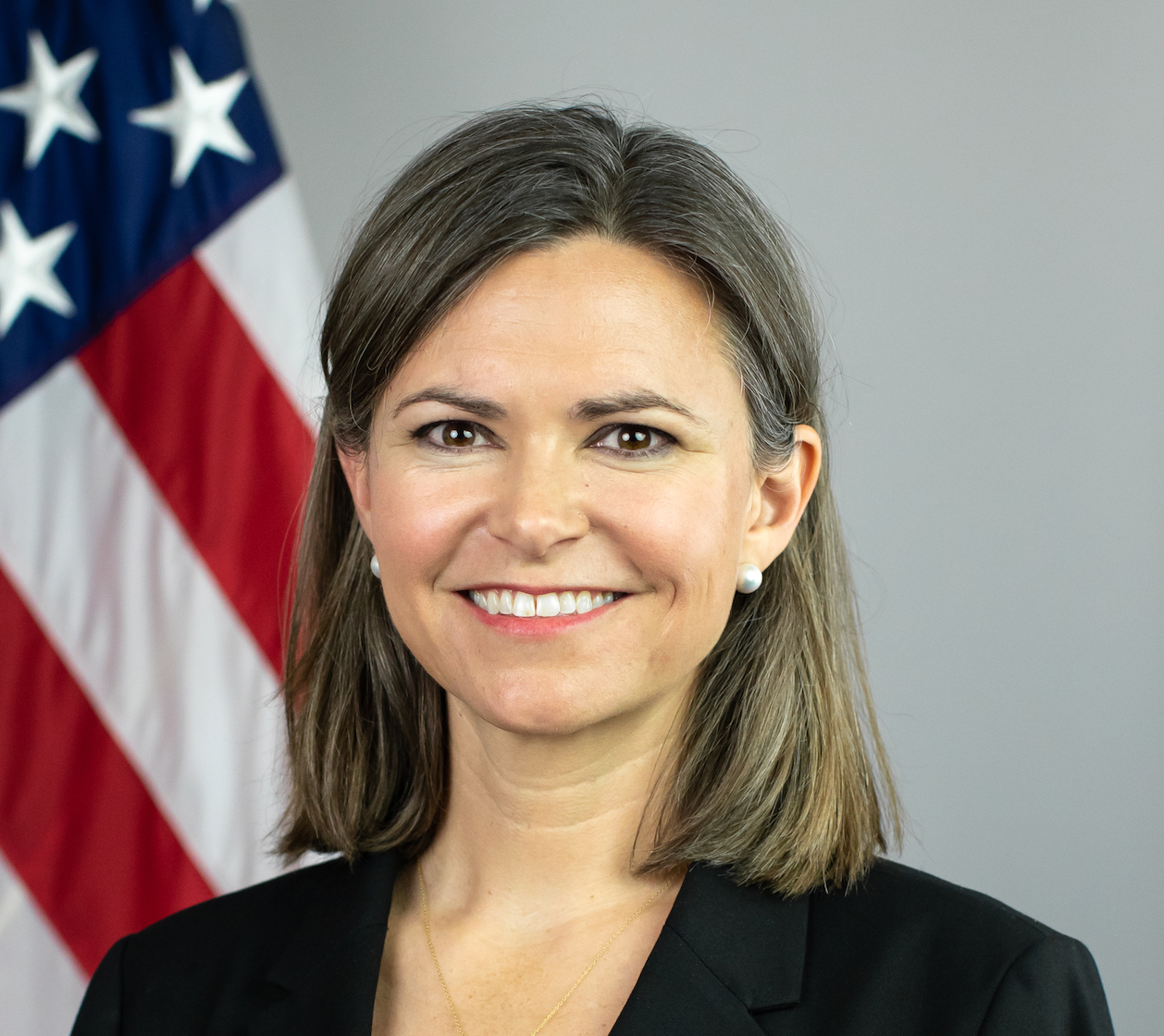
Emily Mendrala
Reading Time: 4 minutesMendrala is a geopolitical strategy consultant. She served as a Deputy Assistant to the President and Senior Advisor on Migration at the White House. She has experience in both the private and non-profit sectors and served as a professional staff member on the Senate Foreign Relations Committee. She writes from Washington, D.C.

What November’s U.S. Midterm Vote Means for the Americas
For now, the Democratic Party is likely to make gains that would affect U.S. policy toward Latin America on several key fronts.
Cuba’s Debate Is Missing What Cubans Want
As Washington and Havana spar over the island's future, its citizens demand a solution to more pressing problems.