



This article is adapted from AQ’s special report on the Trump Doctrine
The unprecedented actions taken by the United States against former Venezuelan dictator Nicolás Maduro have thrust the country into an externally induced political transition—one that could place Venezuela on a long-overdue path to restore its democracy and institutions.
This moment—still fraught with uncertainties and driven by negotiations between Washington and the leader of the new regime, Delcy Rodríguez—offers an opportunity for Venezuela and the hemisphere. While not all countries may agree on how Maduro was deposed, the overwhelming majority believe he was an illegitimate leader. Venezuelans suffered tremendously under his repressive leadership, and the fact that more than 8 million citizens have fled the country over the last decade speaks dramatically to the oppression endured.
I began my career as a banker in Caracas in 1976, the year Venezuela nationalized its oil industry. At that time, the country was a thriving democracy and a regional model. That trajectory began to unravel after Hugo Chávez’s election in 1998, when Venezuelans’ aspirations were redirected toward the Bolivarian Revolution. Over time, particularly with Nicolás Maduro in power since 2013, those hopes gave way to a corrupt despot, an economic debacle without parallel in the entire continent, a historic humanitarian crisis, and a systematic obliteration of all political dissent.
Today, even with vestiges of the old regime still in place and a difficult road ahead, Venezuela may be facing a generational opportunity. Achieving a successful outcome will require determined leadership, supported by the U.S. and other partners, to restore rule of law and basic governance. Only then can local and international private investment return at scale—and only then can Venezuela begin to attract back its extraordinary brain trust, a sizable diaspora scattered across the globe.
Rebuilding the country will depend on credibility. All stakeholders—citizens, investors, and international partners—must believe that the path forward is both achievable and sustainable. That is the central challenge of this historic moment and sui generis circumstances. Experience and history make clear that such confidence can only be established through free, fair, and transparent elections that restore democratic legitimacy and place Venezuela firmly back on the path to democracy.
ABOUT THE AUTHOR
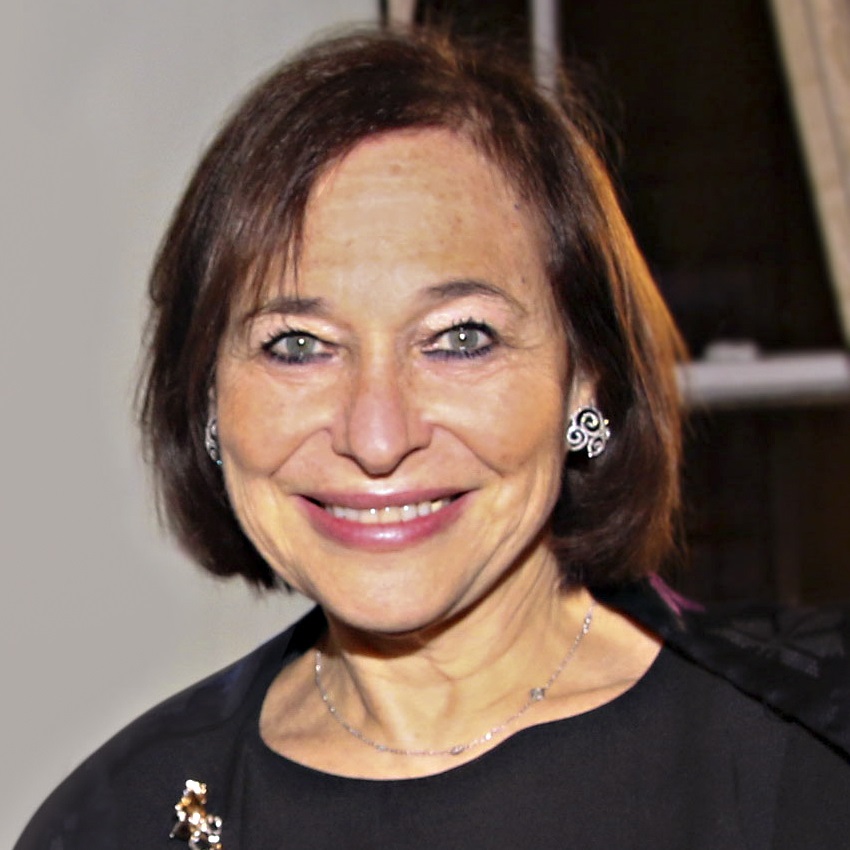
Susan Segal
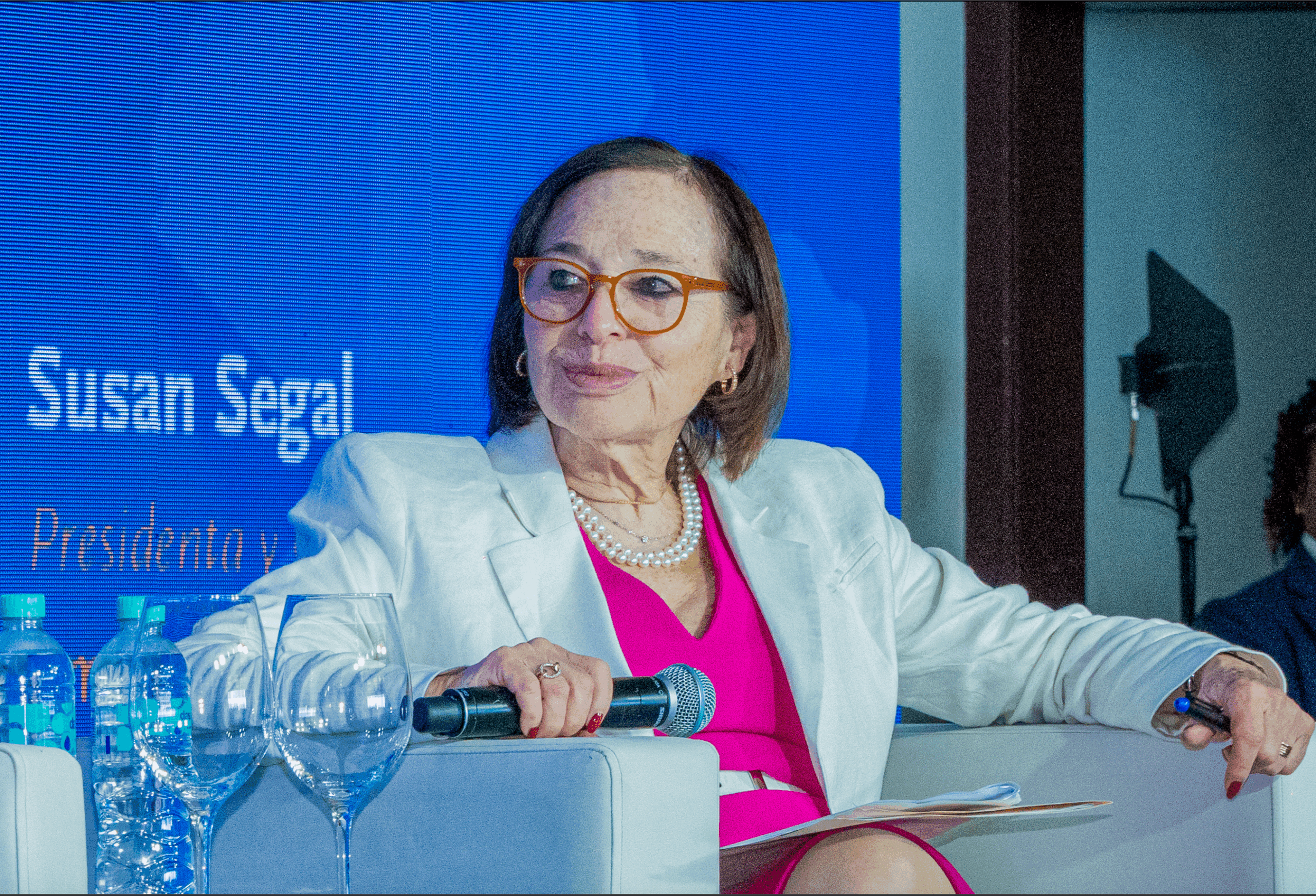
Reading Time: 2 minutesSegal is President and CEO of Americas Society and Council of the Americas.