


This article is adapted from AQ’s special report on Latin America’s demographic transformation
AQ: How has the bilateral relationship evolved since the start of Trump’s second term?
BE: The core pillars of the relationship have been remarkably consistent since NAFTA came into force in 1994: trade, security, and migration. The difference in the past 12 months is that these topics have become very intertwined. Economic security has moved to the center of U.S. strategic thinking, and as a result, the bilateral agenda has become very security-oriented.
AQ: How might security policy affect the USMCA’s first-ever joint review?
BE: The pressure that the Trump administration is putting on the Sheinbaum administration regarding security in Mexico, and especially cartels in Mexico, is a precondition for trade agreements. The actions that we’ve seen recently, including the capture and death of “El Mencho,” the leader of the Cártel Jalisco Nueva Generación, are clearly understood under this pressure that Washington is exerting on Mexico, while Mexico wants to deactivate some of these sensitive points in the bilateral agenda ahead of the formal start of the review.
AQ: What are the stakes?
BE: The USMCA is not just a trade agreement. It functions as the operating manual of deeply integrated North American production systems. The stakes are very high because Mexico has become the largest supplier of goods to the U.S. and for the first time, in 2025, the top destination for U.S. exports. That level of economic interdependence, even if it’s asymmetric, means that blunt economic pressure from Washington can be costly for both sides. Economic integration was once the foundation of the relationship, but today it’s also a source of pressure, of leverage. While the Canadian government has pursued a strategy of diversification and hedging from its dependence on the U.S., Mexico has doubled down on this interdependence.
AQ: Is the USMCA likely to survive?
BE: It will survive, but we need to brace for a very turbulent review. The agreement will be conditioned on some security and geopolitical concerns that Washington has. Because the Trump administration has realized that by pressuring Mexico, it has gained policy alignment from the Sheinbaum administration, I don’t see that pressure being taken away. And the main point of pressure is trade.
—
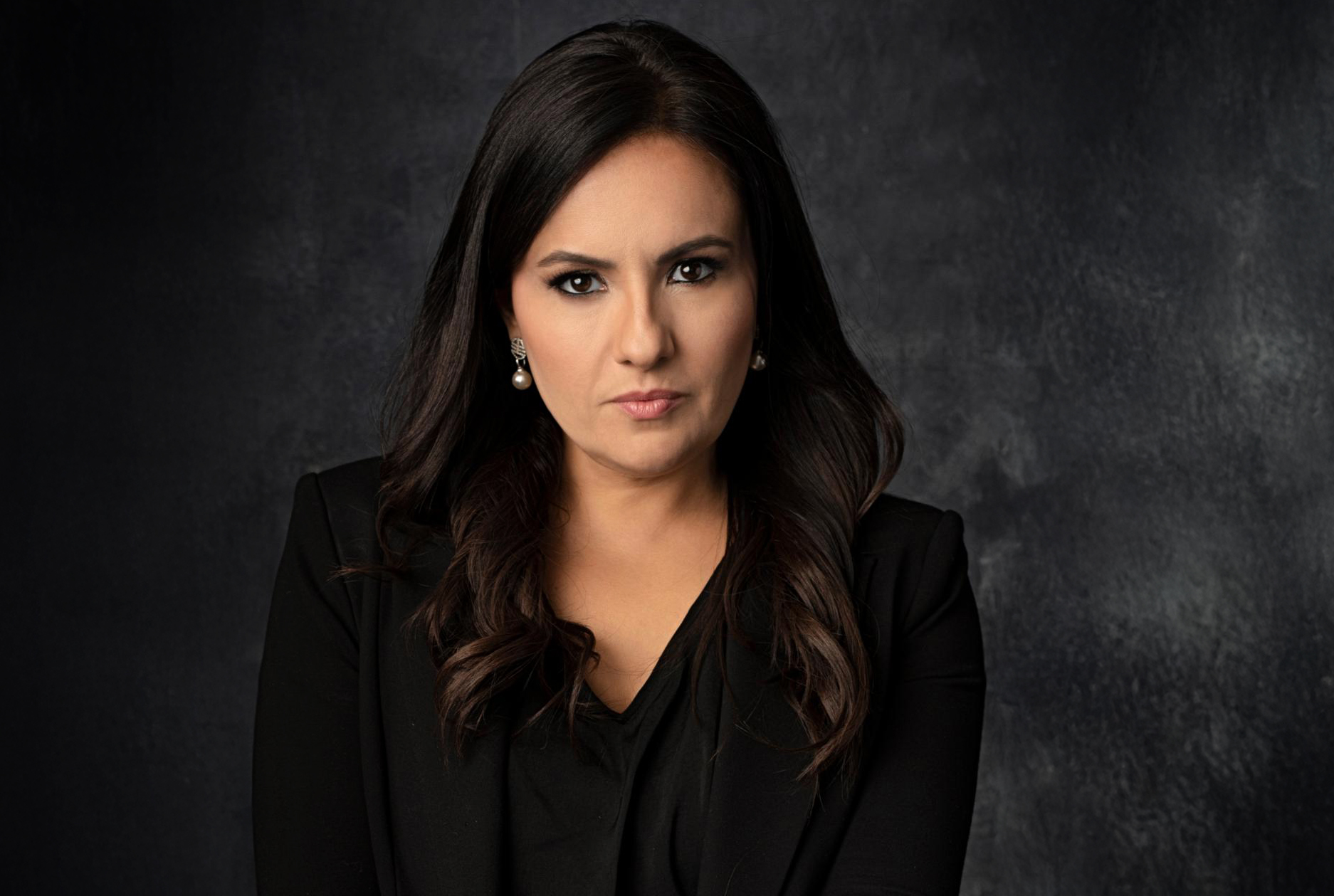
Estefan is a professor at IPADE Business School in Mexico City and a columnist for Reforma and Americas Quarterly.
This interview has been edited for clarity and length.
ABOUT THE AUTHOR

Emilie Sweigart
Reading Time: 2 minutesSweigart is an editor at Americas Quarterly and a policy manager at the Americas Society/Council of the Americas
Washington’s Sharpening Stance on Mexico
As the U.S. reclassifies Mexican cartels as a national security threat, pressure on Mexico is intensifying—and the margin for miscalculation is narrowing.
Why USMCA May Survive After All
USMCA review will test politics and economic realities. Preserving North American integration remains the least costly path forward, an expert writes.