



This article is adapted from AQ’s special report on Mexico’s path forward
In the 1970s, a collective of Colombian filmmakers invented the portmanteau pornomiseria to describe an enormously popular film genre coming out of Latin America. They were referring to emotionally manipulative movies about poverty that often gained critical and commercial success in European festivals and North American living rooms. These films are typically self-righteous in their purported goal to help raise awareness about and even rectify entrenched social problems, yet they tend to benefit the people behind the camera more than those represented on the screen. It’s a kind of cinema that does little but turn human suffering into a commodity.
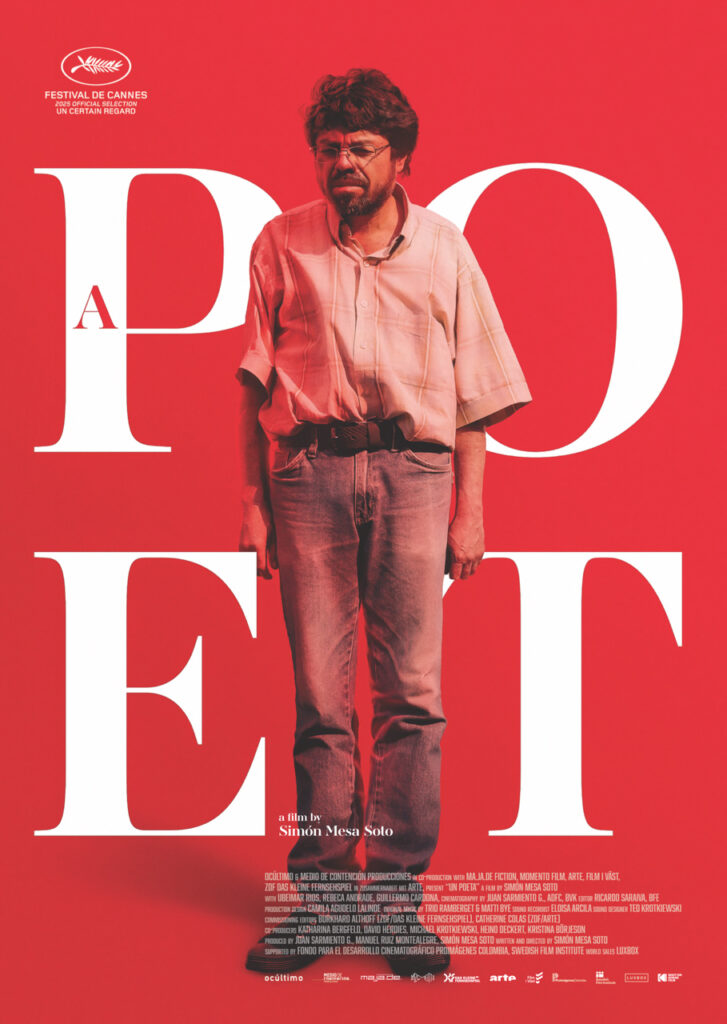
Un Poeta
Directed by Simón Mesa Soto
Screenplay by Simón Mesa Soto
Where to watch: Amazon Prime/Mubi
Starring Antonio Ubeimar Rios, Rebeca Andrade, and Guillermo Cardona
Colombia
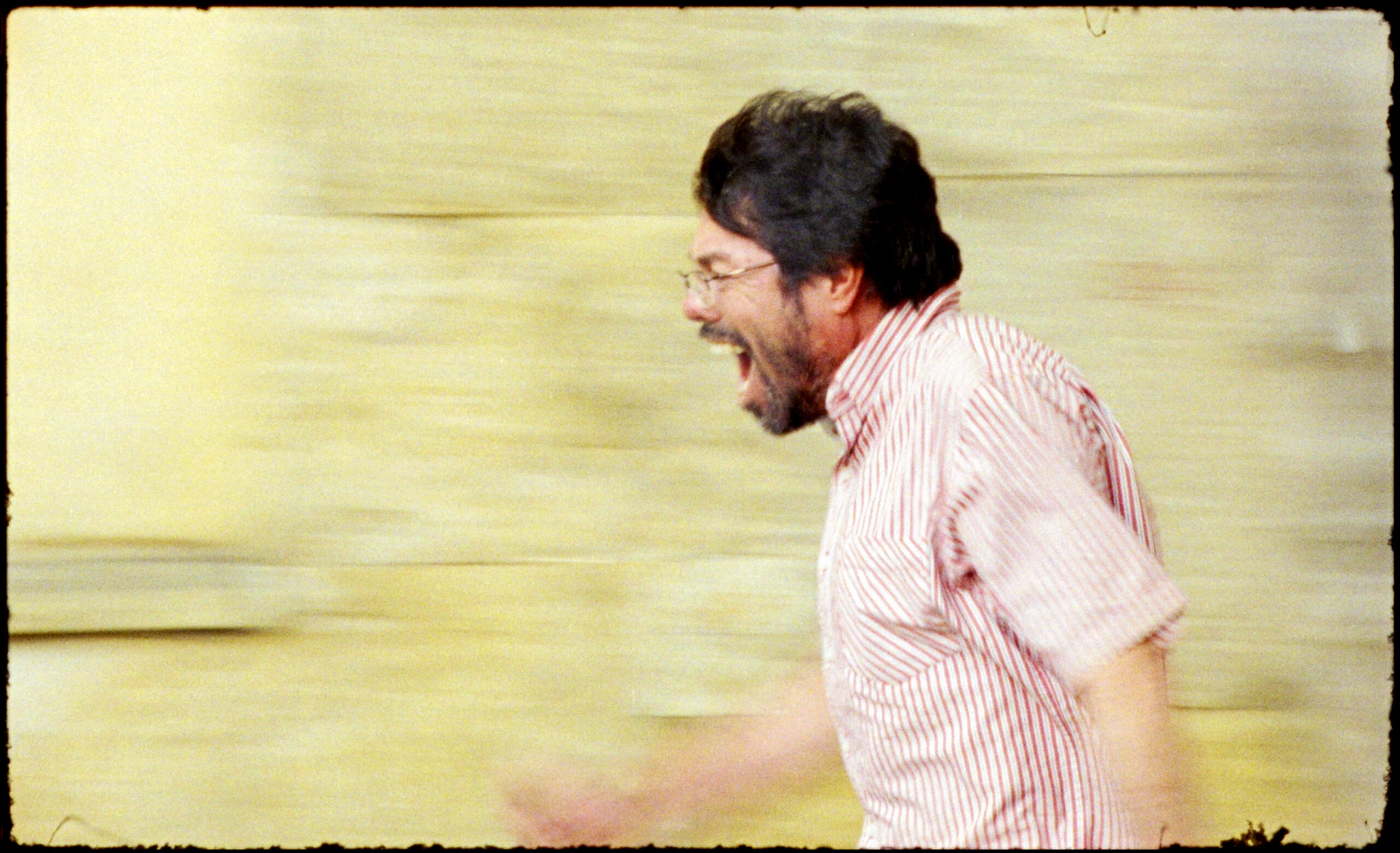
The best and most refreshing antithesis to pornomiseria in recent history must be Colombian director Simón Mesa Soto’s hilarious black comedy Un poeta. The film centers on Óscar, a middle-aged poet obsessed with the work of José Asunción Silva, a 19th-century poet from Bogotá. Óscar still lives at home with his mother in Medellín, remains estranged from his only daughter, and can hardly hold a job given his sporadic alcoholic jaunts. He usually spends his days at Casa de la Poesía, where he recites poems to near-empty audiences and quarrels with Efraín, a poet and cultural promoter with more conventional achievements like book deals and literary awards.
To quell his older sister’s constant gripes about his lack of professional and financial stability, Óscar accepts a gig as a philosophy teacher at a local high school. There, he meets Yurlady, a shy teenager who writes poetry as a hobby. After reading her notebook, Óscar recognizes in Yurlady a kindred spirit and a talented artist, setting off on a feverish journey to get her published.
Herein comes Un poeta’s great wrinkle: Yurlady is poor and Black. She lives in a packed apartment with her mother, grandmother, uncles, aunts, siblings, nephews, nieces, and cousins in a lower-class neighborhood. So when Óscar introduces her to the community at Casa de la Poesía, trouble arises. After all, artists there have certain expectations about how someone from her background should act and what someone with her identity should be keen to write about. It quickly becomes clear that the city’s cultural influencers, most notably Efraín, are interested in Yurlady’s work only insofar as it’s marketable. The easiest way to do this is to make her poems speak of overcoming hardships from a place of victimhood, but her writing is entirely unconcerned with such topics. In fact, despite her literary gifts, Yurlady wishes to become a manicurist, not a poet.
Against this drama, Un poeta reveals the dangerous impulse to project preconceived narratives onto real human lives. Through his camerawork, Mesa Soto peels away his characters’ genuine motivations. His film uses a cinéma vérité documentary style, with many scenes featuring hand-held camerawork and non-professional actors. The camera lingers on facial expressions and reactions that make it impossible to hide or camouflage deep feelings, allowing viewers to appraise characters’ true intentions. This deadpan realism also fuels the film’s comedic spark.
Ironically, by consciously straying not just from sensationalism and faux activism, but from a view of poverty that ignores the richness of human interiority, Un poeta gains formidable political force. It offers an alternative to stereotyped ideas of Latin America, poking fun at clichés that contribute to pernicious views of the region. The men and women who animate Un poeta are flawed and messy. They resist falling into neatly demarcated identity-based categories, like rich and poor. Personhood extends beyond one’s economic conditions or prospects. Un poeta reminds us that the magical realism of Gabriel García Márquez—whose novels mystify Latin American life, and whom Óscar incidentally detests—is meant just for fiction, not reality.
ABOUT THE AUTHOR

Ena Alvarado
Reading Time: 3 minutesAlvarado is a writer and former assistant editor at The Atlantic.

A New Documentary Chronicles the Decay of Small-Town Cuba
The filmmaker returned home to find the town he grew up in disappearing, even as its artists continue to build a legacy.
The Legacies of Brazil’s Bolsa Família
A new documentary follows the mothers and daughters of Guaribas, Brazil’s pilot city for the famed Bolsa Família cash-transfer program.