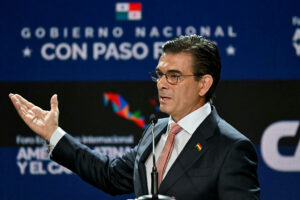



When Rodrigo Paz was inaugurated in early November 2025, he vowed to implement “capitalism for all.” He inherited an economy in rough shape after 20 years of rule by the MAS party: Inflation was above 20%, foreign currency reserves were nearly exhausted, and fuel lines stretched for blocks. In many ways, Bolivia was also isolated in its relationships abroad, aligned more with Russia and Venezuela than with its South American neighbors or the United States. Now, almost 100 days into his new government, President Paz has had mixed success in pushing through early changes. So, what’s next for Bolivia? And in a country with a long history of instability, what are the odds of Paz maintaining power and successfully getting his agenda passed?
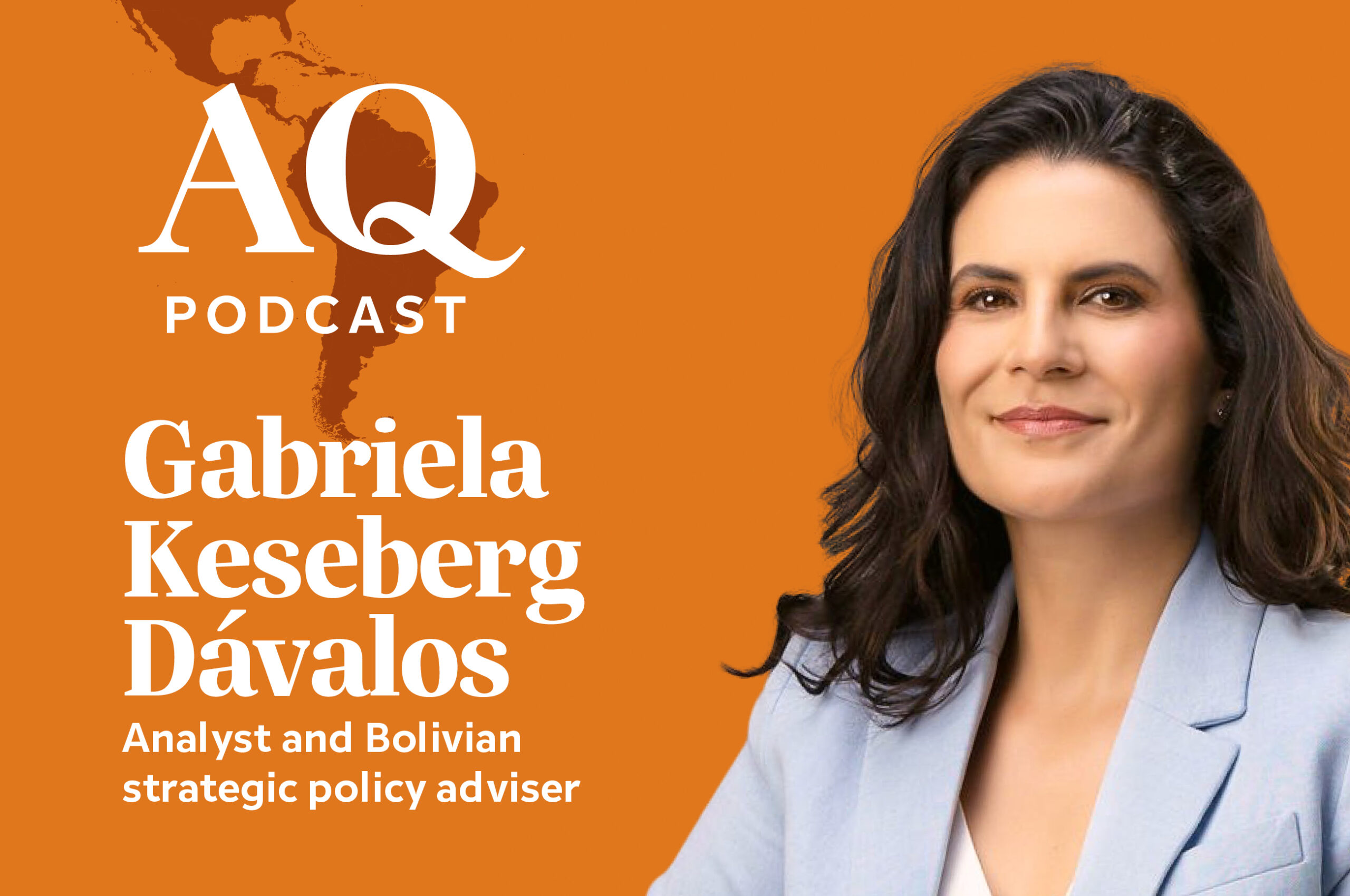
Our guest is Gabriela Keseberg Dávalos, a Bolivian strategic policy adviser. Gabriela has previously served as Senior Foreign Policy Adviser to the Vice-President of the European Parliament for Human Rights and Democracy, and as Director of Global Public Affairs for a network of think tanks.
Listen to this episode and subscribe to The Americas Quarterly Podcast on Apple, Spotify and other platforms
Guest:
Gabriela Keseberg Dávalos is a Bolivian independent foreign policy adviser. She is based in La Paz.
Host:
Brian Winter is editor-in-chief of Americas Quarterly
If you would like to know more:
Bolivia’s Foreign Policy Reset by Gabriela Keseberg Dávalos
In Bolivia, Tough Decisions Await Paz by Brian Seel
Rodrigo Paz’s Defiant First 90 Days by Eduardo Gamarra.
AQ Podcast | Bolivia’s Game-changing Election with Raúl Peñaranda
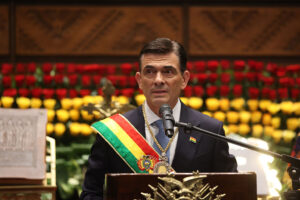
Bolivia’s Foreign Policy Reset
Challenges await President Rodrigo Paz as he reinserts Bolivia into the international arena.
In Bolivia, Tough Debt Decisions Await Paz
A restructuring process looms large amid a worsening fiscal deficit, low international reserves and a sizable repayment around the corner.