


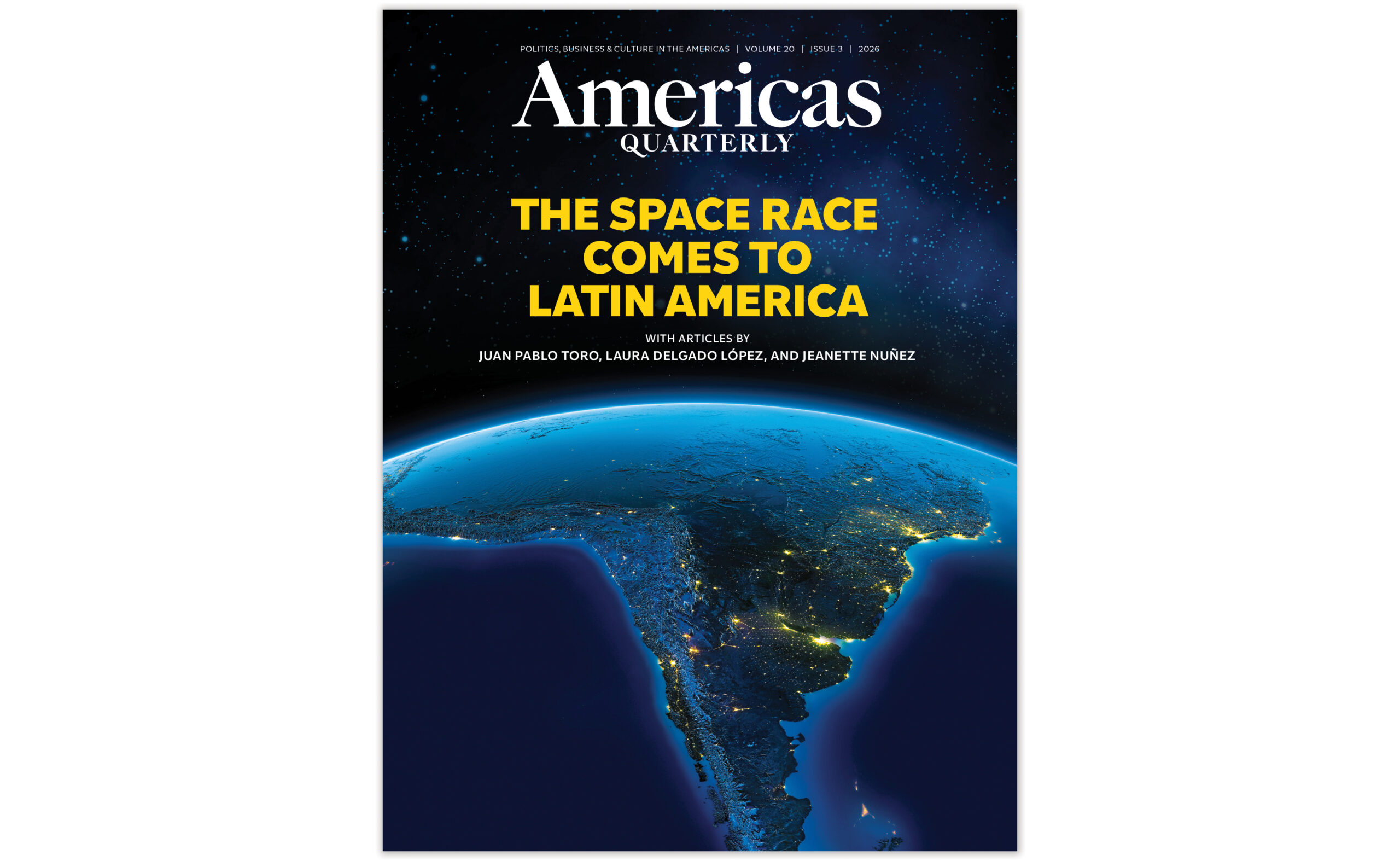

This article is adapted from AQ’s special report
When Elon Musk’s SpaceX went public in June in a record-setting $75 billion share offering, it confirmed what investors had been betting on for years: The space industry is on the verge of a major boom. The global space economy could reach $1.8 trillion by 2035, nearly triple its value in 2023. And Musk, among others, has signaled that much of the upcoming expansion will occur outside of the U.S.
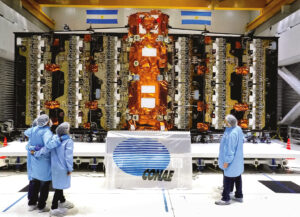
Increasingly, the search is leading south. As Juan Pablo Toro reports in this issue’s cover story, several Latin American countries are emerging as protagonists in the new space economy. Ecuador’s pitch, for example, is in its name: Sitting just two degrees south of the equator, where the planet spins fastest and rockets get a free boost toward orbit, Ecuador is courting investors with the promise of cheaper launches. Plans for spaceports are now on the table in Brazil, the Dominican Republic, Peru and Uruguay, while Argentina and Brazil already build satellites that help farmers assess crops and governments respond to disasters.
Space has also become a theater in the U.S.-China rivalry, with Washington pressing local governments not to host Chinese installations. The region, for its part, is determined to be more than a battleground. But fragile institutions, thin budgets and unforgiving technical demands stand between ambition and achievement.
Laura Delgado López, a leader on Latin American space issues and fellow at Florida International University, sharpens the picture. She notes in her article that no country or company can operate in space alone. The core objective is not independence but resilience: the capacity to manage risk and diversify partners. That reframing carries a pointed message for Washington. U.S. companies increasingly offer exactly what the region wants—not black-box dependence but “sovereign solutions” that build local capacity. This presents opportunities for collaboration, if all parties can get the mix right.
Indeed, whether Latin America’s moment among the stars brings genuine growth or just frustrated potential—a pattern the region knows well—remains to be seen. For now, after centuries of gazing skyward to map gods and calendars, Latin Americans are once again looking up.

The Space Race Comes to Latin America
The region wants to be not just a battleground, but a protagonist in the burgeoning space economy.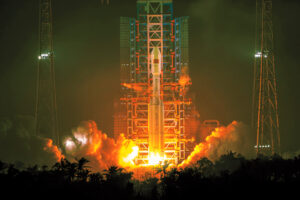
Latin America’s Quest for Space Sovereignty
The region’s pursuit of autonomy in the growing space sector will be complicated. The U.S. can be an important partner.
The Crucial Challenge of Building Space Expertise
As Latin America acquires more space technology, workforce development will be key to reaping the benefits.
Latin America’s Final Frontier
The booming space sector offers opportunities, if the region can seize them.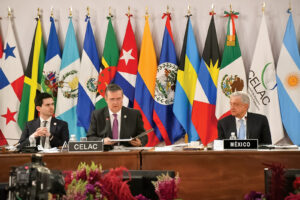
Latin America Has a Space Agency. Now Comes the Hard Part
ALCE held its first general assembly in Mexico in February, but faces questions about funding and political buy-in.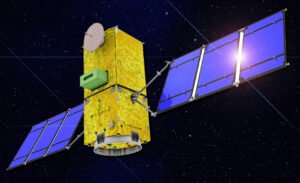
Brazil’s Landmark Satellite Program
Amazônia-1, the first satellite entirely designed and operated by Brazil, is part of a larger mission.
How Satellogic Is Trying to Reshape the Space Race
The company founded in Buenos Aires is pushing competitors to rethink who owns the sky.