


This article is adapted from AQ’s special report on Latin America’s demographic transformation

More people have been on the move in Latin America and the Caribbean over the past decade than ever before. By 2024, there were 17.5 million international migrants in the region, after a 23% jump in just four years.
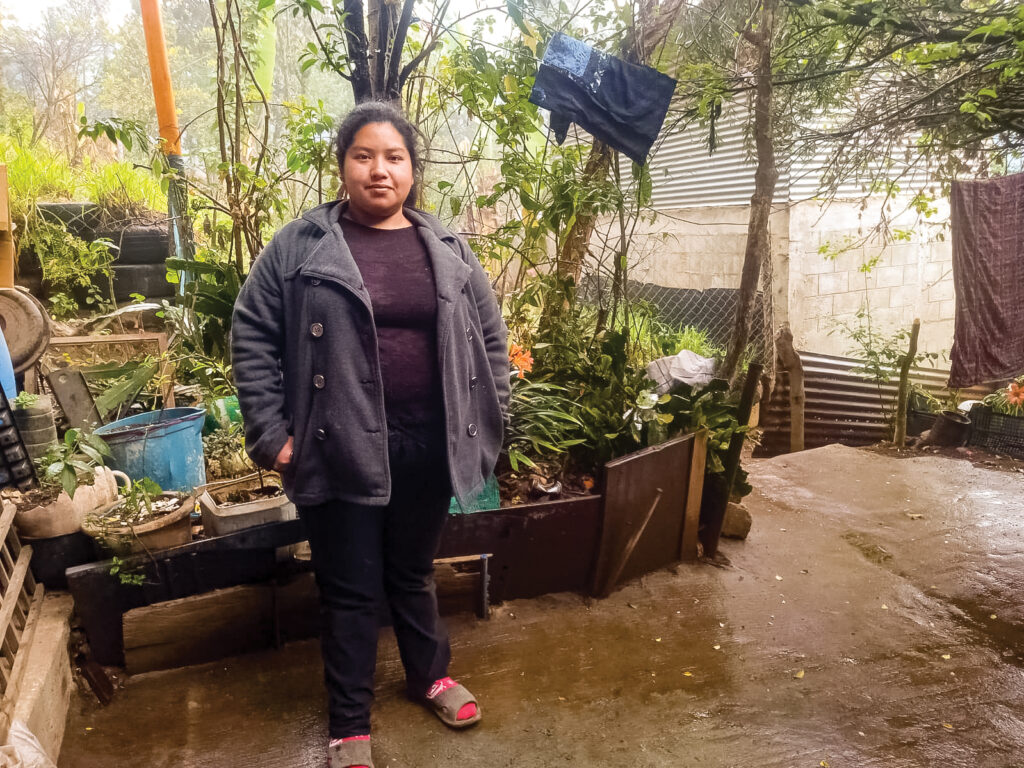
Roxana Romero López, 21, from San Juan Ostuncalco, Guatemala, became one of them in 2021. Her town is an agricultural center on Guatemala’s registry of “Dry Corridor” areas struggling with drought and flooding. She went to the U.S. to send money home, knowing this could mean having a child later in life.
After four years, she returned to Guatemala due to the hardships of living in the U.S., and now she’s working off debt incurred on her journey. She doesn’t know when she might start a family. “I want to prepare a good financial future for a child,” she said. “That’s probably going to take years.”
Stories like hers are ever more common. In Guatemala, the birth rate plunged from 4.3 per woman in 2003 to 2.3 in 2023, in part because migration took off, those leaving the country got younger, and the proportion of women grew.
“Migration was being paid comparatively little attention in demography,” said Tania Vásquez Luque, a researcher at Instituto de Estudios Peruanos, a social sciences think tank in Lima. “But it’s going to have an increasingly important role explaining these shifts.”
Vásquez Luque is studying migration and demographics in Peru, where the fertility rate has fallen to 1.8, below the “replacement rate” of 2.1. She said hard-and-fast conclusions are rare in this field due to the many factors involved, but that new research is starting to fill the gaps.
Rapid rural-to-urban migration is part of the picture. Latin America is now the developing world’s most urban region, with over 80% of its population living in cities. Birth rates are lower in cities than in rural areas, but rural birth rates are also falling, narrowing the gap across the region. In Peru, for example, the difference between rural and urban fertility rates fell from two children per woman in 2000 to 1.6 by 2023.
Migration is likely playing a key role here, too, said Vásquez Luque. People are returning to home communities with new resources and attitudes, she said.
A range of factors are at play, and merit further research given what is expected in coming years; the World Bank has warned that Latin America could see over 17 million internal migrants due to climate change alone by 2050, with Mexico and Central America hardest-hit. Meanwhile, 80% of those displaced by climate-related causes may be women and girls, according to the UN Environment Programme.
Migration drivers like these must be studied for how they affect fertility, said Ana Canedo, an assistant professor of demography at the University of Montreal. “When there’s intense heat, drought, excessive rainfall or natural disasters, family fertility intentions get postponed,” she said.
A recent UN report echoed this, finding that land concentration and other forces displacing smallholder farmers have demographic effects, but that these dynamics, too, are understudied. Experts agree that migration is helping to shape Latin America’s demographic trends—and that more research is needed to understand exactly how.
ABOUT THE AUTHOR

Rich Brown
Reading Time: 3 minutesBrown is an editor and production manager at Americas Quarterly
The Gray Tide: Latin America’s Demographic Transformation
A perfect storm of plunging birth rates and rapidly aging populations will break over Latin America in coming decades. Is there a silver lining?
NEW AQ: Latin America’s Demographic Cliff Is Here
Falling fertility rates are already having profound political and economic effects.
The Intertwined Dynamics of Demographics and Race
Stark racial inequalities are affecting birth rates throughout Latin America, but the topic is critically understudied.