


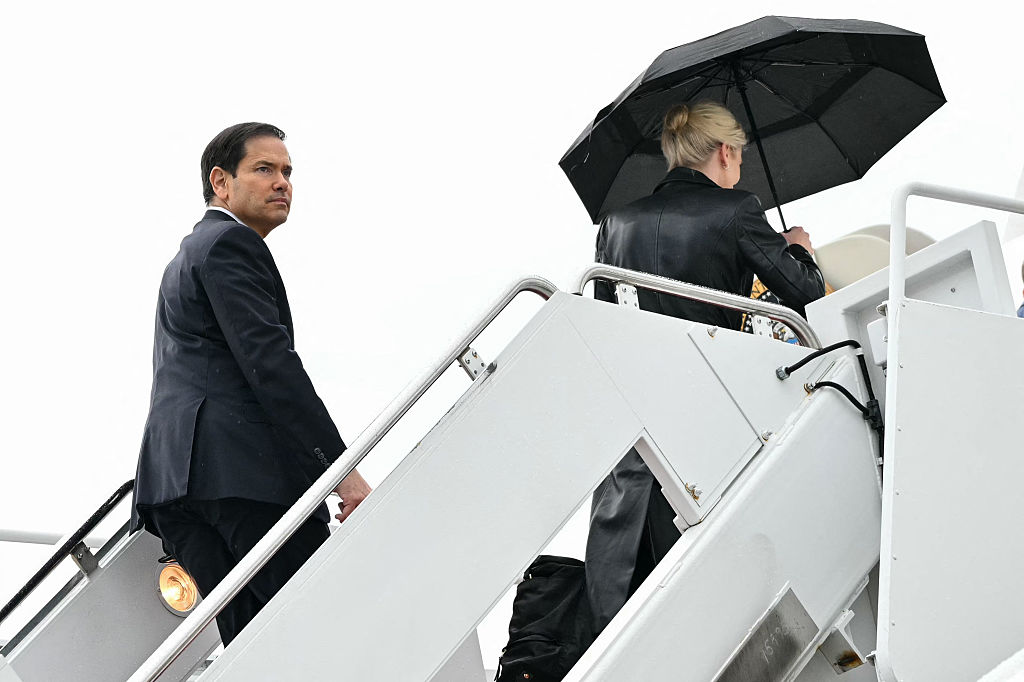

For all practical purposes, since the start of Donald Trump’s second term, Secretary of State Marco Rubio has run Washington’s policy toward Latin America. Hailing from Florida, Rubio and the entire administration would be wise to heed the message the midterm elections delivered in a particular part of the state: Miami-Dade County.
Rubio began his political career in the Miami-Dade neighborhoods and, drawing inspiration and support from that constituency, built his cases on Venezuela and Cuba. On Nov. 3, those neighborhoods came close to rejecting two of the three House Republicans who carry that policy in Congress. Mario Díaz-Balart finished less than a point ahead of Democrat Nicole Locklin, and María Elvira Salazar is leading by about 1,000 votes in a race that appears to be headed for a recount.
What these elections imply for the remainder of Trump’s term, and its policy toward the region, merits some careful attention. In Venezuela, Rubio has accepted acting President Delcy Rodríguez as a partner, built oil concessions around her government, and kept María Corina Machado, the leading opposition leader, outside the negotiating room. Trump made that choice harder to defend at home when, in his address to the United Nations on September 22, he described Venezuela’s policy with the phrase “to the victor belong the spoils,” and then met Rodríguez the same day authorities reportedly prevented one of Machado’s attempts to return to Venezuela.
The first pressure point is the calendar. Washington’s roadmap calls for a new Supreme Court by year’s end and a new electoral council soon after, but Rodríguez’s declaration of presidential vacancy—the necessary legal step that will start the constitutional clock toward a vote—still has no date. On Nov. 5, Rubio told The New York Times that elections would “ideally” take place next year, while declining to guarantee them before Trump leaves office in January 2029.
Florida Republicans who nearly lost last week have every reason to demand that date, and Machado gives them a way to do so without breaking with the White House. Since returning to Venezuela on October 25, she has endorsed Rubio’s sequence and called for elections next year. She is the obvious bridge back to Venezuelan voters, and each week she spends outside the formal political dialogue led by Dinorah Figuera and Jorge Rodríguez makes her exclusion harder to justify in Doral.
The oil deal faces a different kind of pressure. In January, Democrats will control the Senate and run the House’s Foreign Affairs Committee, where Republicans on the Western Hemisphere Subcommittee voted down a Democratic effort to subpoena the Trump administration for records related to the oil deal in September. Beyond subpoenas, Democrats can write conditions into must-pass bills, tying new licenses to dated electoral steps, as Congress did with Central American aid tied to anti-corruption certifications in 2016. Machado has said the oil deal lacks “the levels of transparency that Venezuelan society wants,” and Salazar wrote in a since-deleted post that it “has an expiration date.” Accepting new conditions may become the administration’s cheapest way to protect it.
The approach to Havana
Cuba presents a starker choice, because the administration spent October escalating the issue. At a rally in Fort Myers on October 23, Trump said warships returning from the Iran war would “pass Cuba.” The same day, Rubio posted on X, urging Cubans to “seize this opportunity” through “a discrete partnership with the CIA.”
After last week’s midterm elections, the temptation will be to win Miami back with more of the same. A Florida International University (FIU) poll points toward a policy the White House has barely tried: 74% of respondents backed U.S. assistance to Cuba’s private sector for humanitarian relief, a majority even among Republicans. Cuban Americans want pressure on the regime and relief for their families, and pairing sanctions on the state with support for private businesses would address both. Escalation would only ramp up pressure on the regime, risking a crisis just as Congress gains the power to ask how it started.
Cuba is also central to Rubio’s own political future. Trump told an interviewer on October 30 that the Cuban government would not last much longer and that Rubio was watching the island closely, which ties the secretary of state’s record to an outcome he does not control. Asked about reports that he was weighing an exit to prepare a 2028 campaign, he told The New York Times last week that serving through the end of Trump’s term has “always been my plan.” He has said he would back JD Vance if the vice president runs, and the two men now sit on opposite sides of the Iran war: Vance blamed it for the Republican midterm losses, and on Nov. 5 Rubio defended the war as “the price of leadership.”
Staying would let Rubio claim Nicolás Maduro’s fall and perhaps a change in Havana, while leaving would spare him the burden of a weakened president and an unpopular war. The FIU polling pulls in opposite directions too: 73% of Cuban Americans in Miami-Dade support U.S. military action to overthrow the Cuban government. This stance contrasts sharply with national opinion; An Economist/YouGov poll in August found only 17% of Americans favored using force to take control of the island.
A secretary of state with presidential ambitions has every incentive to seek a quick result in Cuba before a campaign begins, and the eight weeks before the new Congress takes office, with Republicans still in control of both chambers, are the cheapest moment to try.
Hemispheric security and more
This political shift will also affect the Shield of the Americas, the security coalition Trump launched with right-leaning governments in March and expanded to 15 members by September. Governments in Argentina, Ecuador, El Salvador, Colombia and Peru have tied their security strategies to Trump’s personal approval. A House run by Democrats writes the appropriations bills for their security assistance and can attach human rights vetting and limits on the use of force. Allies who bet on the White House must now also answer to a Washington that moved to the left on Nov. 3, at least in the branch that controls the money.
Trump still has important tools, from oil licenses and sanctions to recognition and the military, and nothing in the midterms’ results forces him to use them differently. However, the election raised the price of using them without explanation in Congress and in the Miami-Dade precincts that have long given Rubio’s policies their political cover.
For Venezuelans still waiting on an election date, and for Cubans living through a pressure campaign that has produced neither reform nor collapse, the question now is whether the administration reads Miami’s verdict as a warning or as a close call it can afford to repeat.
ABOUT THE AUTHOR
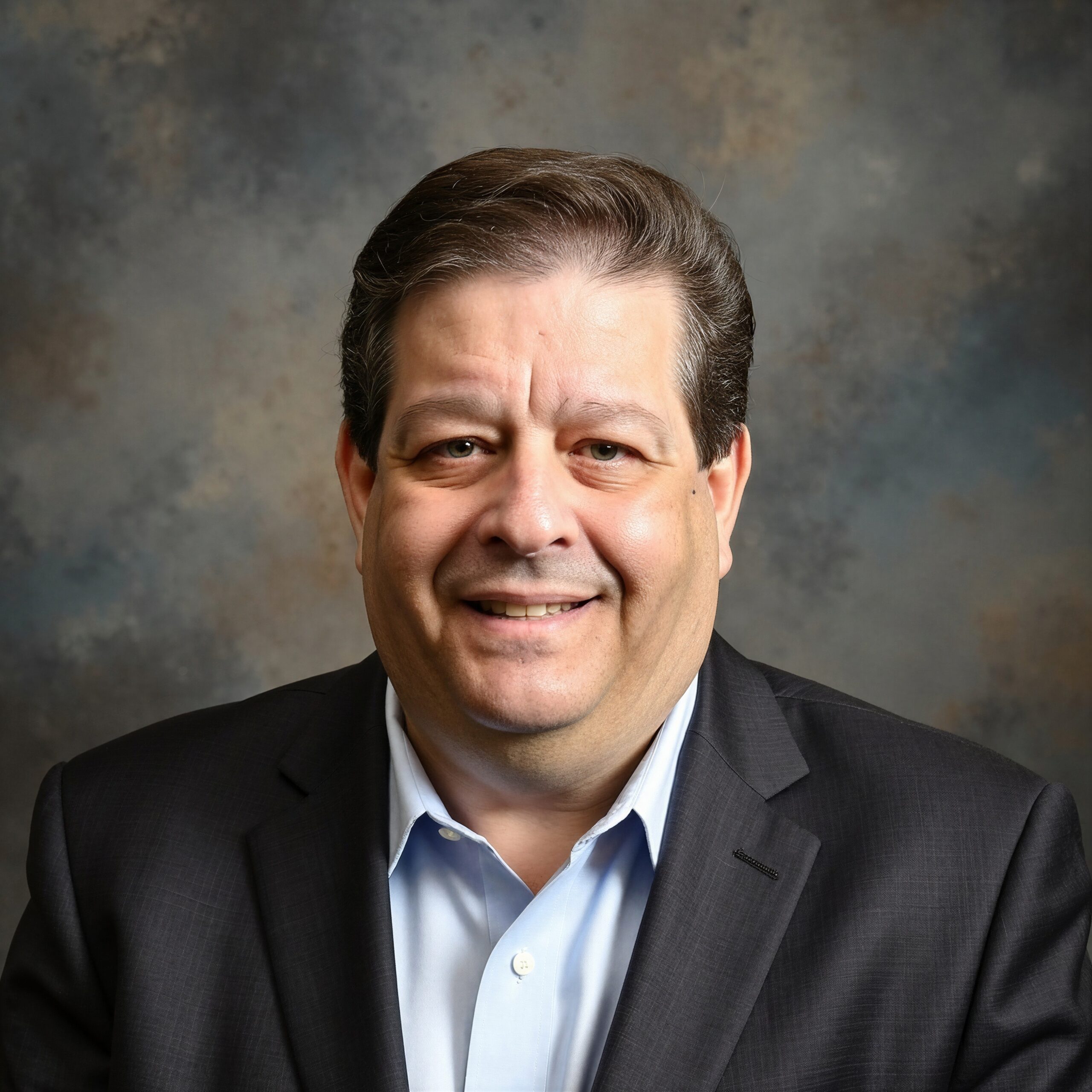
Orlando J. Pérez
Reading Time: 4 minutesPérez is a professor of political science at the University of North Texas at Dallas. He is the author of Civil-Military Relations in Post-Conflict Societies: Transforming the Role of the Military in Central America.